
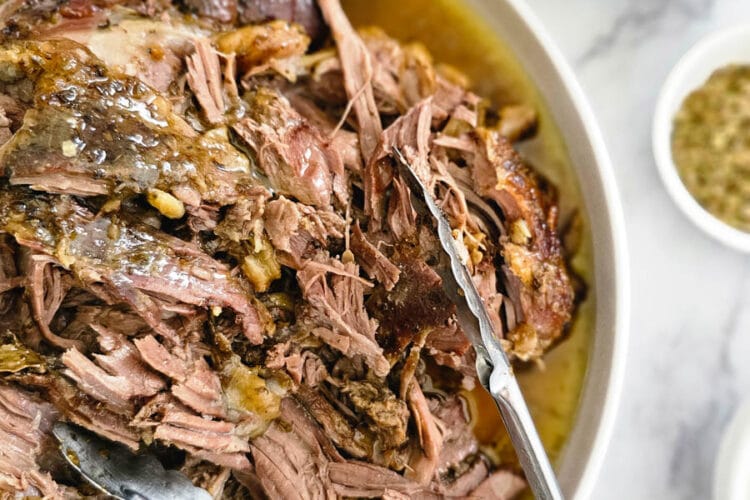
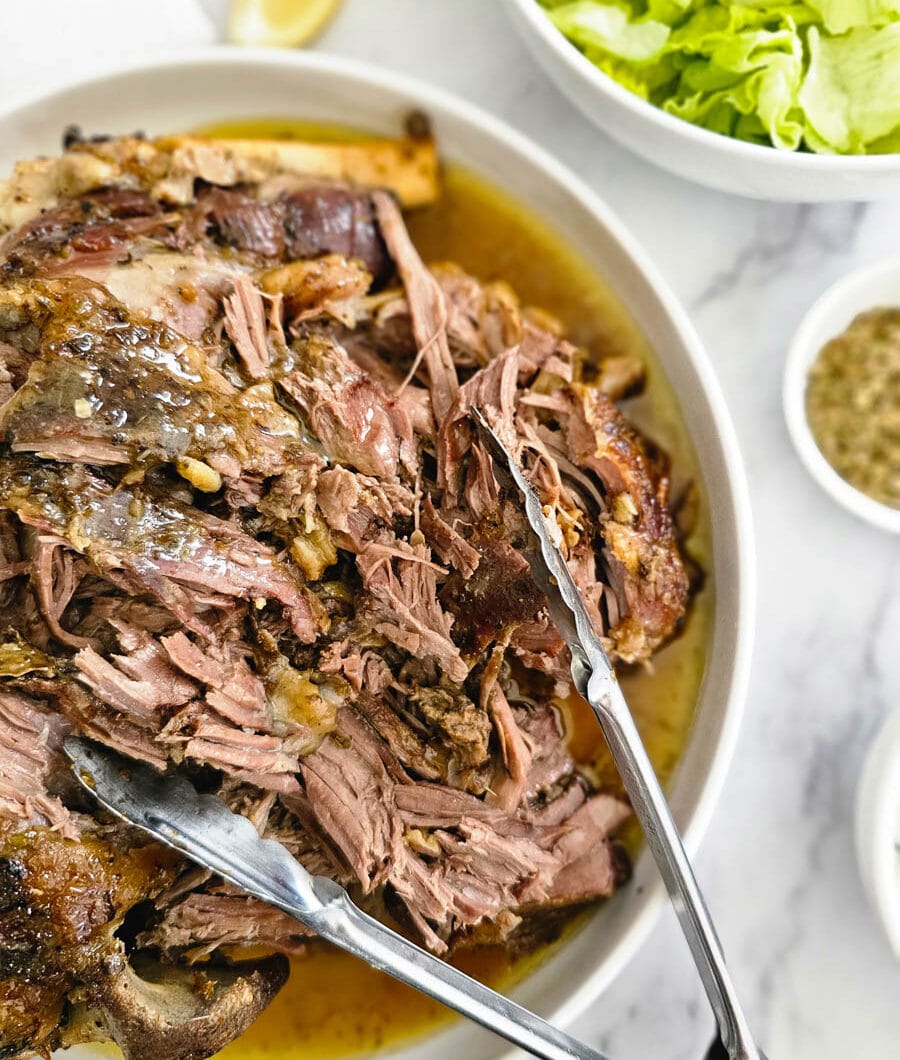
If you’re looking for a tender, pull-apart Greek slow-roasted leg of lamb packed with classic Greek flavours, this is a recipe you’ll want to make again and again. Slowly cooked with garlic, lemon and oregano, the lamb becomes incredibly juicy and full of flavour. It’s perfect for family dinners, Easter, or any special occasion.
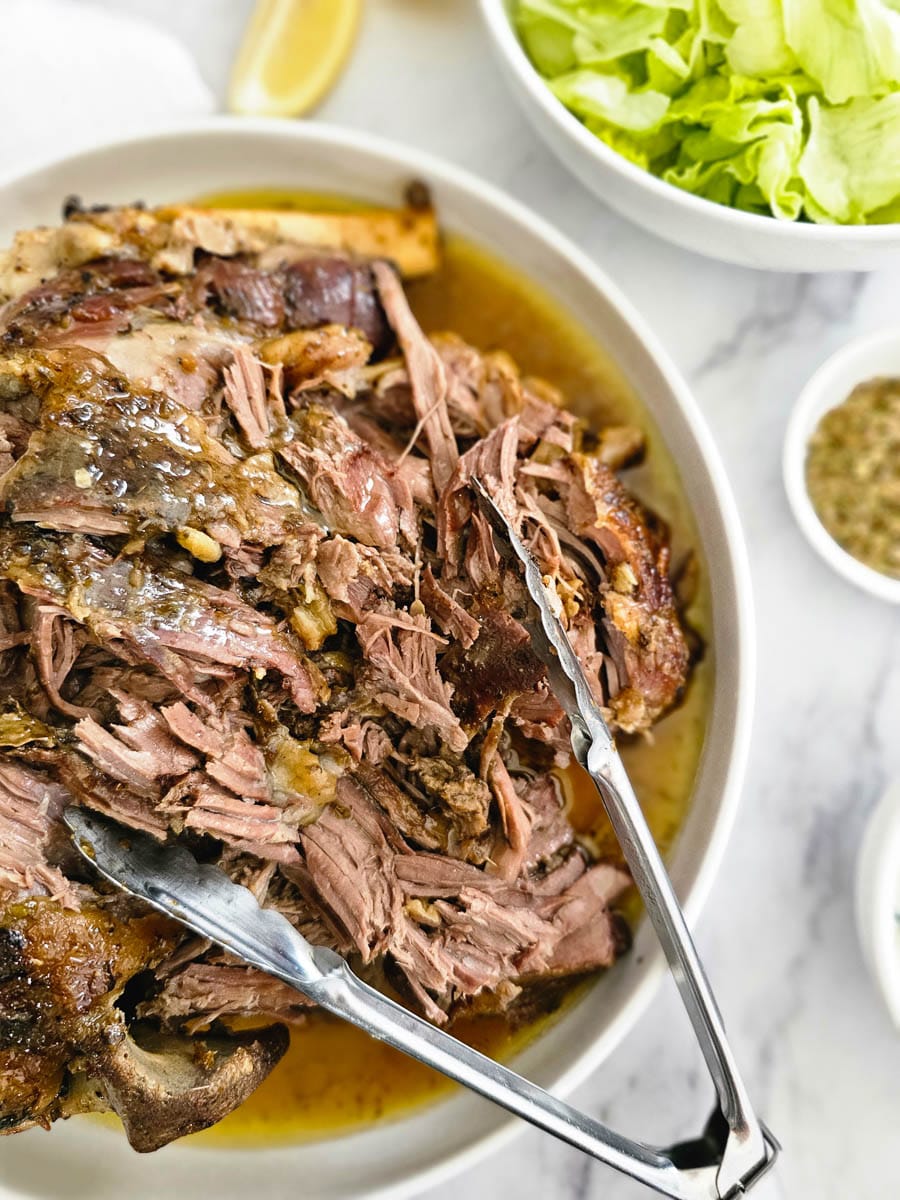
Slow-roasted leg of lamb is another one of those family favourites. Cooking the lamb low and slow allows the meat to become beautifully tender while the garlic, lemon and oregano slowly infuse the roast with flavour. Although it takes time in the oven, it’s incredibly easy to prepare. Simply prepare the lamb and let the oven do the work.
I usually make this on the weekend when I have time to let it slowly cook, then enjoy the leftovers the next day as delicious lamb wraps for an easy second meal. It’s the perfect roast for family dinners, Easter or a relaxed weekend gathering.
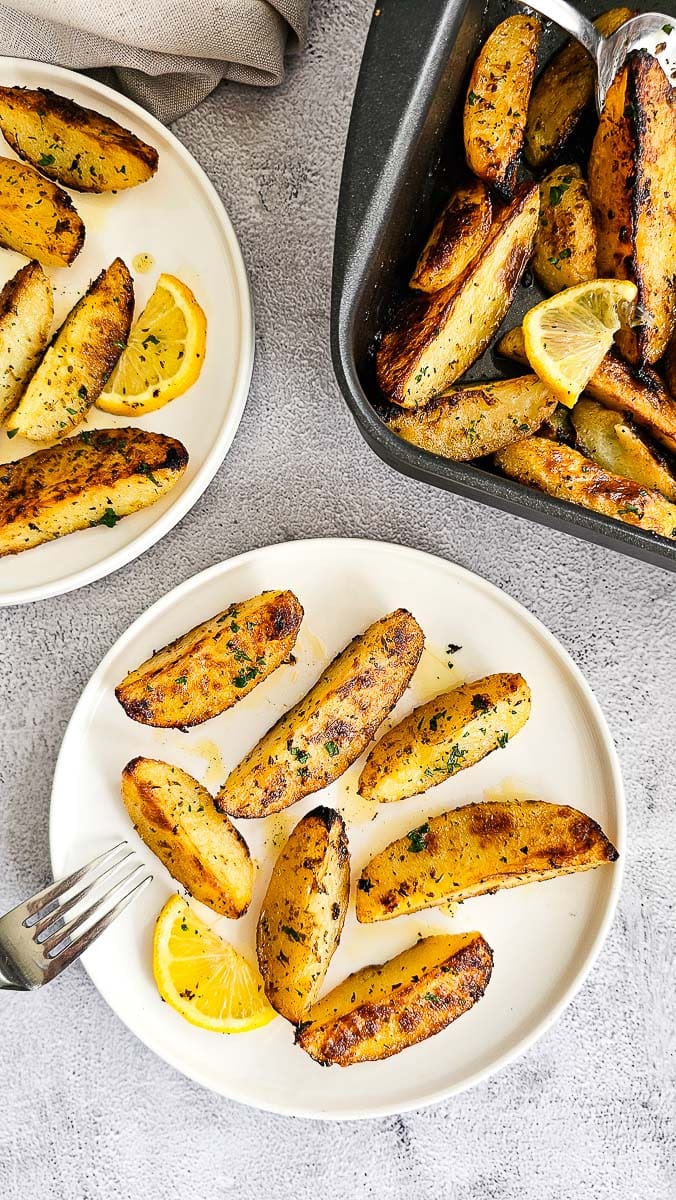
This lamb is delicious served with traditional Greek Lemon Potatoes or a variety of roasted vegetables, such as pumpkin, carrots and sweet potato. You can roast the vegetables separately, or for extra flavour, add them around and underneath the lamb during the final 1½ hours of cooking. Cooking the potatoes underneath the lamb allows them to soak up the rich pan juices, creating beautifully tender potatoes with incredible flavour.
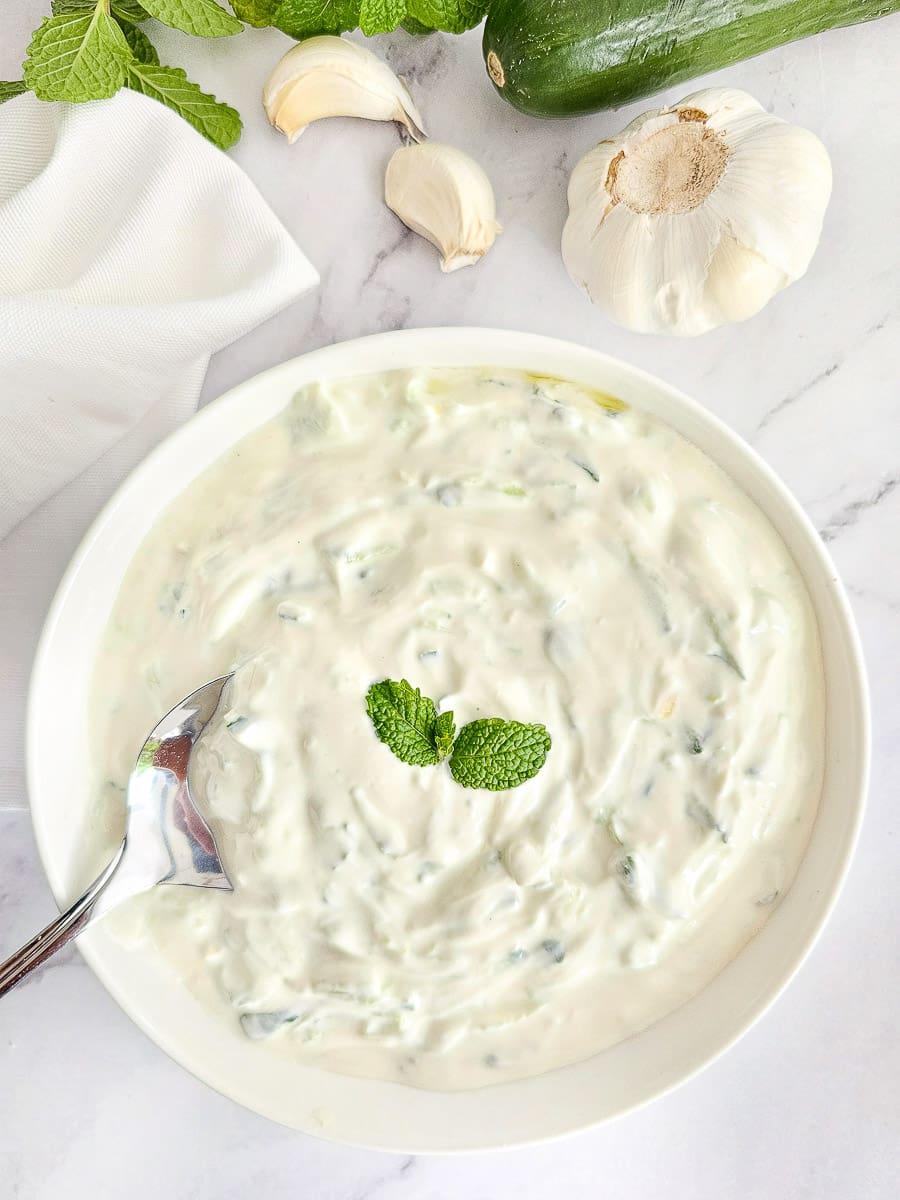
The lamb is just as enjoyable the next day, giving you two dinners from one roast. Add the shredded leftover lamb into warm Greek pita bread with Tzatziki, fresh tomato slices, and thinly sliced red onion.
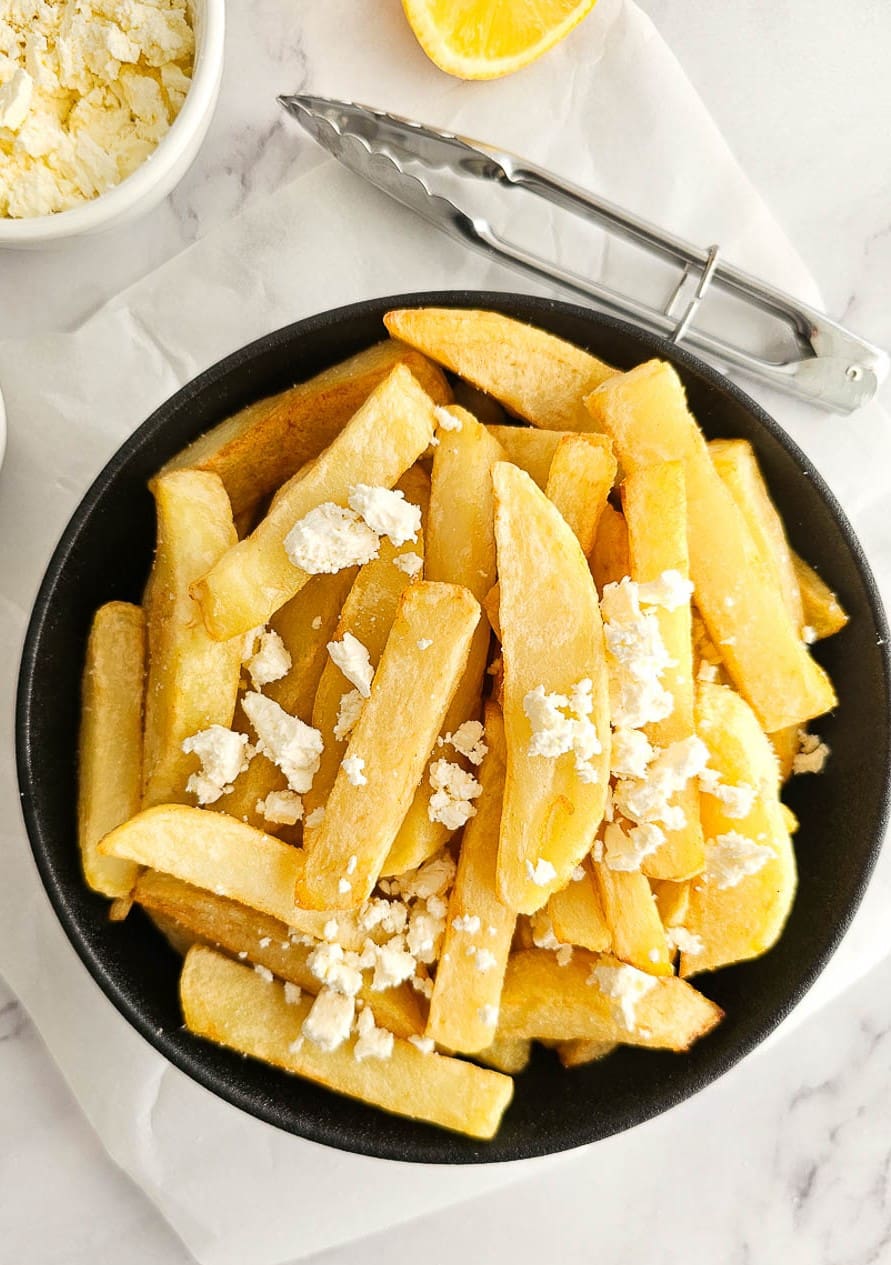
For a more traditional version, include Greek Olive Oil Fries (Patates Tiganites) inside the wrap, just like you would find in a classic gyros from a Greek street food shop. This adds that authentic street food flavour and makes the wrap even more satisfying.
It’s a simple and delicious way to enjoy leftovers, turning your roast lamb into a completely new meal the next day.
Ingredients for the Greek Slow-Roasted Leg of Lamb
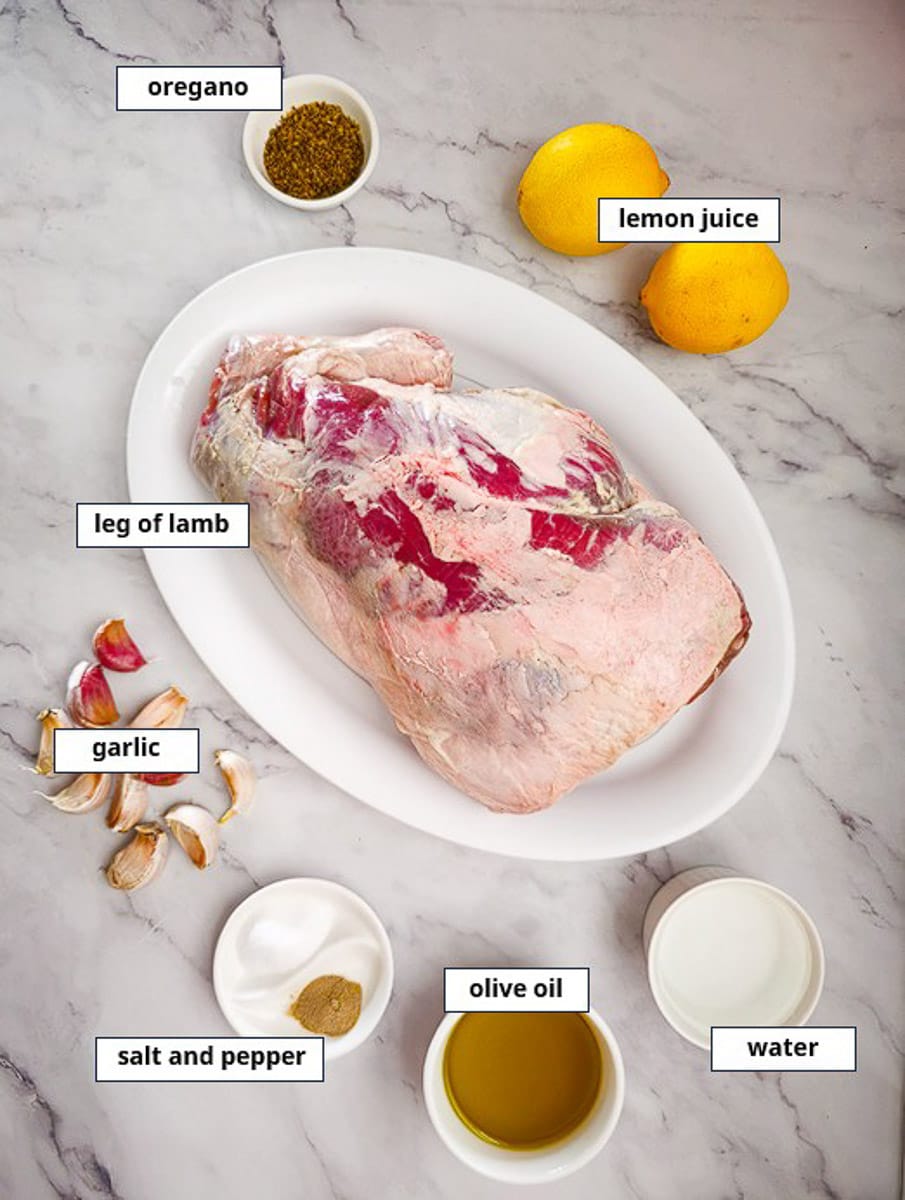
- Leg of Lamb, bone-in: Most butchers and supermarkets will already have the shank bone partially cut, allowing the leg to fold slightly and fit into a roasting dish. If your lamb leg is too long to fit, ask your butcher to cut through the bone so it can be folded while keeping the bone intact. The bone adds extra flavour and helps keep the lamb tender during the long cooking time.
- Garlic: This recipe uses plenty of garlic cloves, which are inserted into small cuts in the lamb before roasting. As the lamb slowly cooks, the garlic releases its flavour into the meat, creating a deliciously aromatic roast with classic Greek flavours.
- Lemon juice: Always use freshly squeezed lemon juice rather than bottled lemon juice. Fresh lemons provide a brighter, more natural lemon flavour that balances the richness of the lamb and works beautifully with the garlic and oregano.
- Dried Oregano: Dried oregano is essential for creating that classic Greek flavour. It adds a fragrant, earthy taste that pairs perfectly with lamb, lemon and garlic, giving the roast its traditional Mediterranean character.
- Extra virgin olive oil: As the lamb slowly roasts, it helps create delicious pan juices that can be spooned over the lamb before serving,
- Salt and pepper: Seasoning the lamb well before cooking allows the flavours to develop as it slowly roasts.
- Water: A small amount of water is added to the roasting dish to create moisture during the long cooking time. Combined with the lamb juices, garlic, lemon and oregano, it helps create a flavourful pan sauce that can be spooned over the lamb before serving.
How to make Greek Slow-Roasted Leg of Lamb
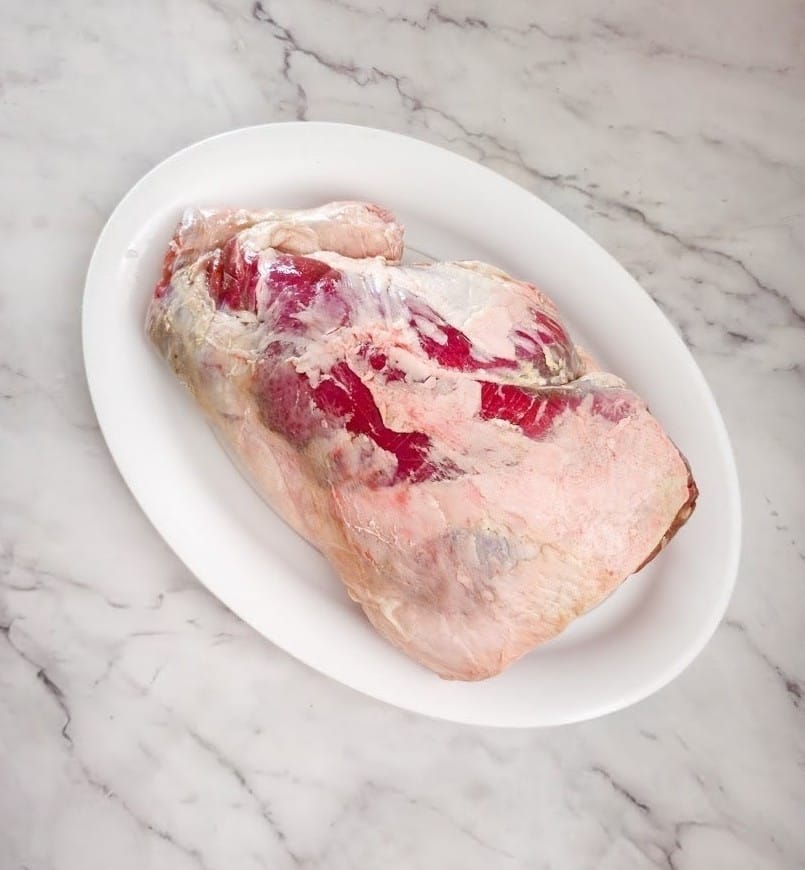
1. Remove the lamb from the fridge 30–60 minutes before cooking to allow it to come to room temperature.
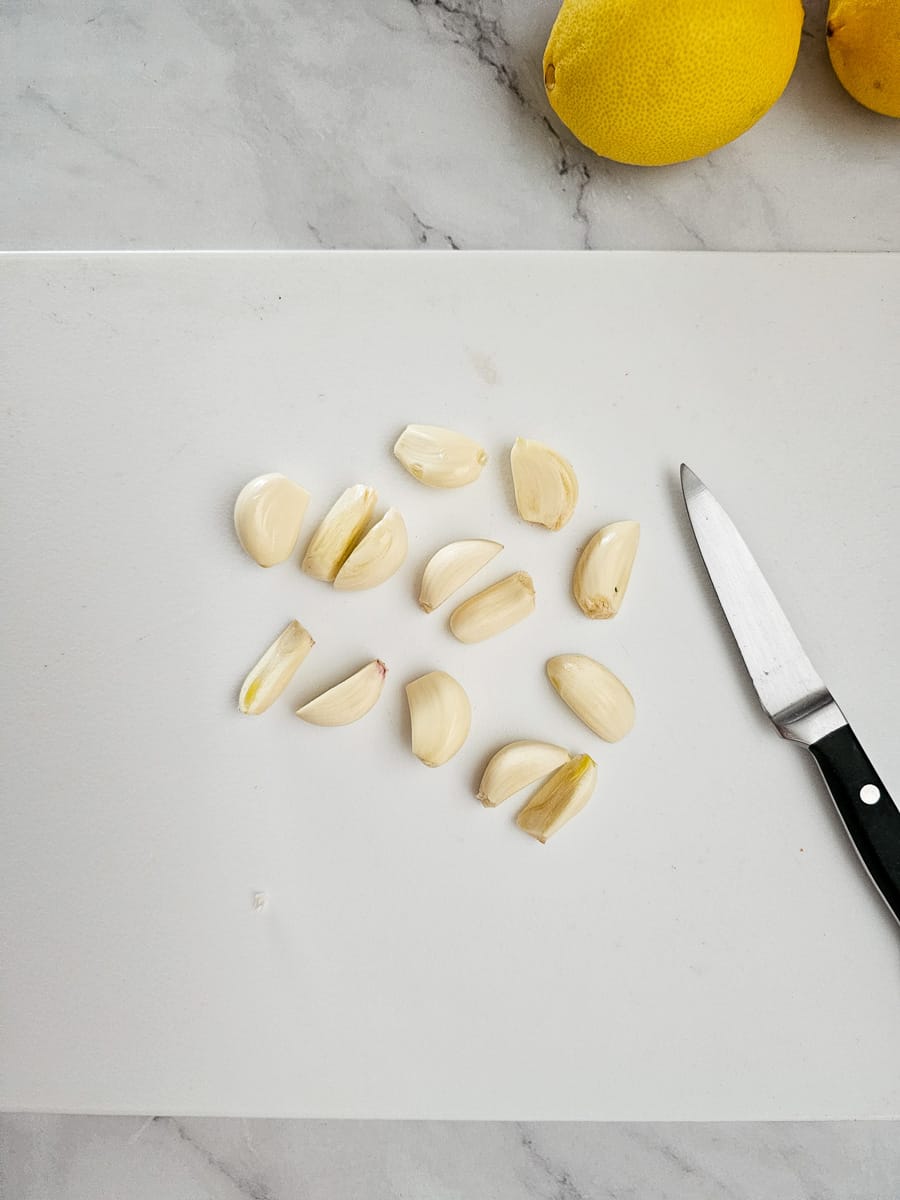
2. Peel the garlic cloves, leaving them whole. If some cloves are large, cut them in half.
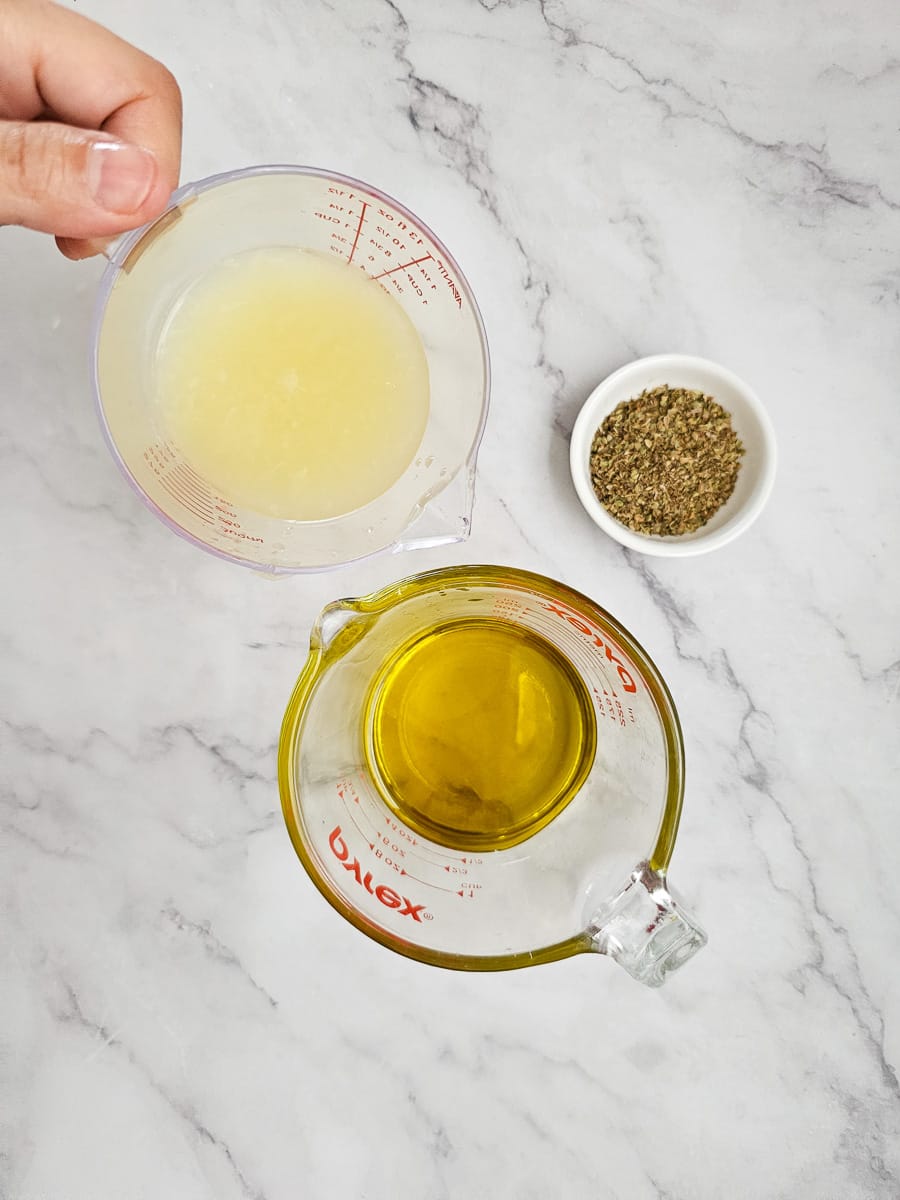
3. Prepare the marinade. In a measuring jug or jar, combine the olive oil, lemon juice and oregano. Whisk or shake well until combined.
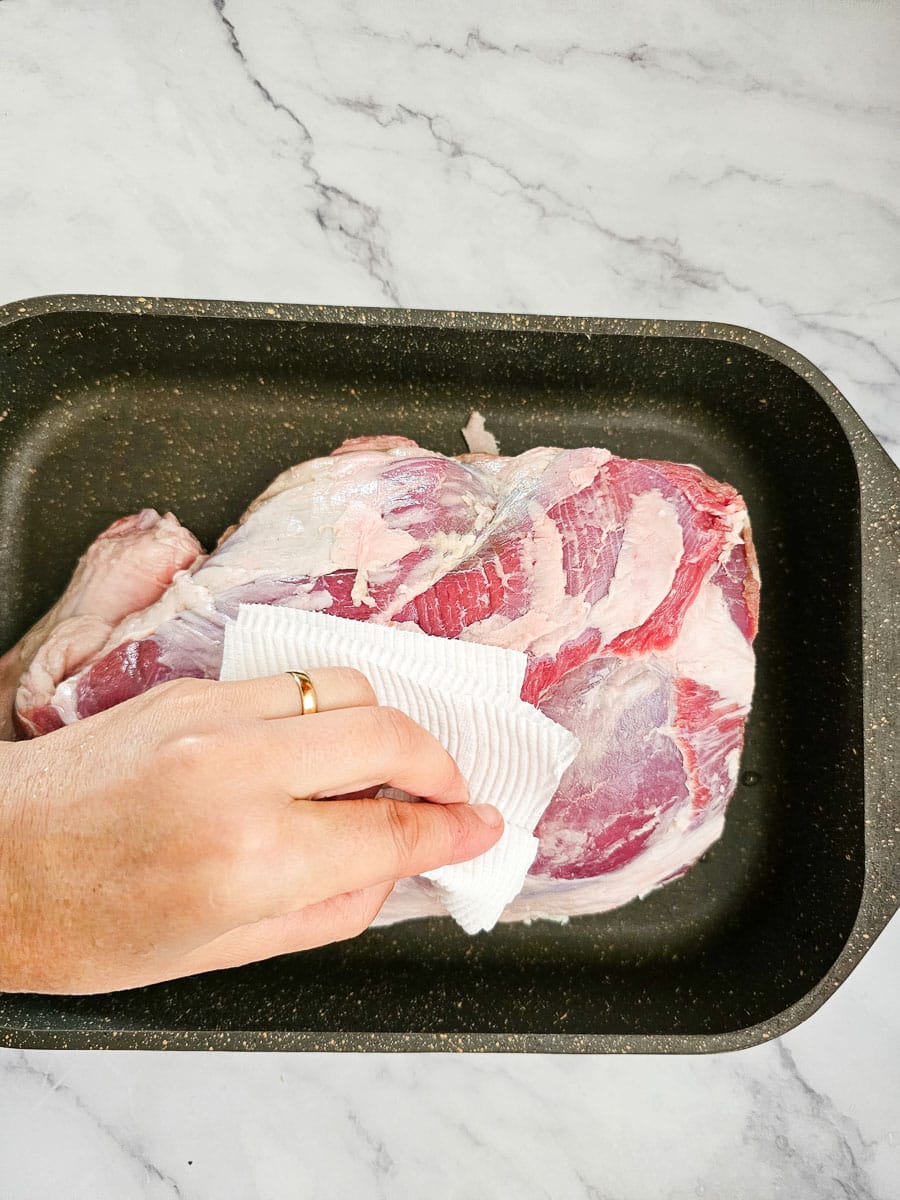
4. Place the lamb in a small roasting pan.Trim excess fat if preferred, then pat dry with paper towel.
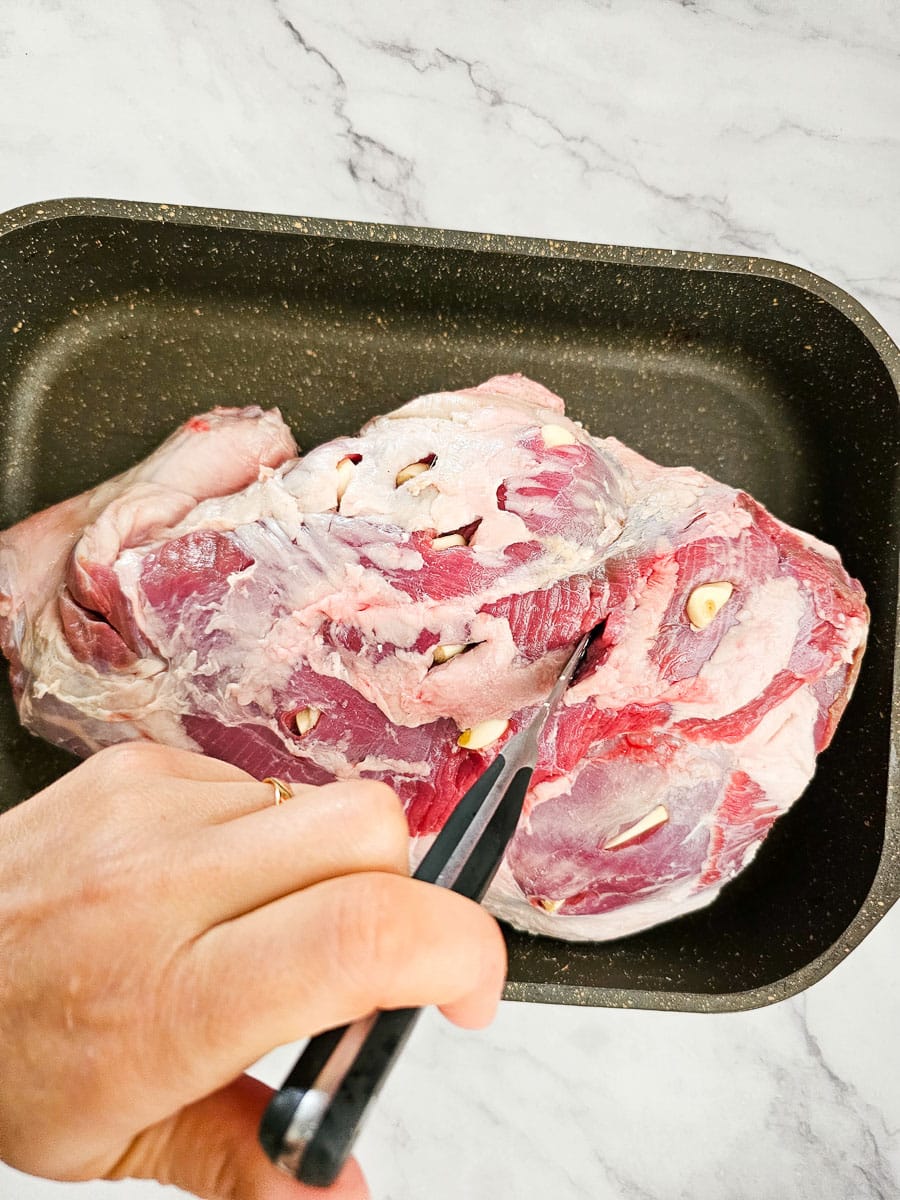
5. Using a small sharp knife, make about 10 small incisions all over the lamb.
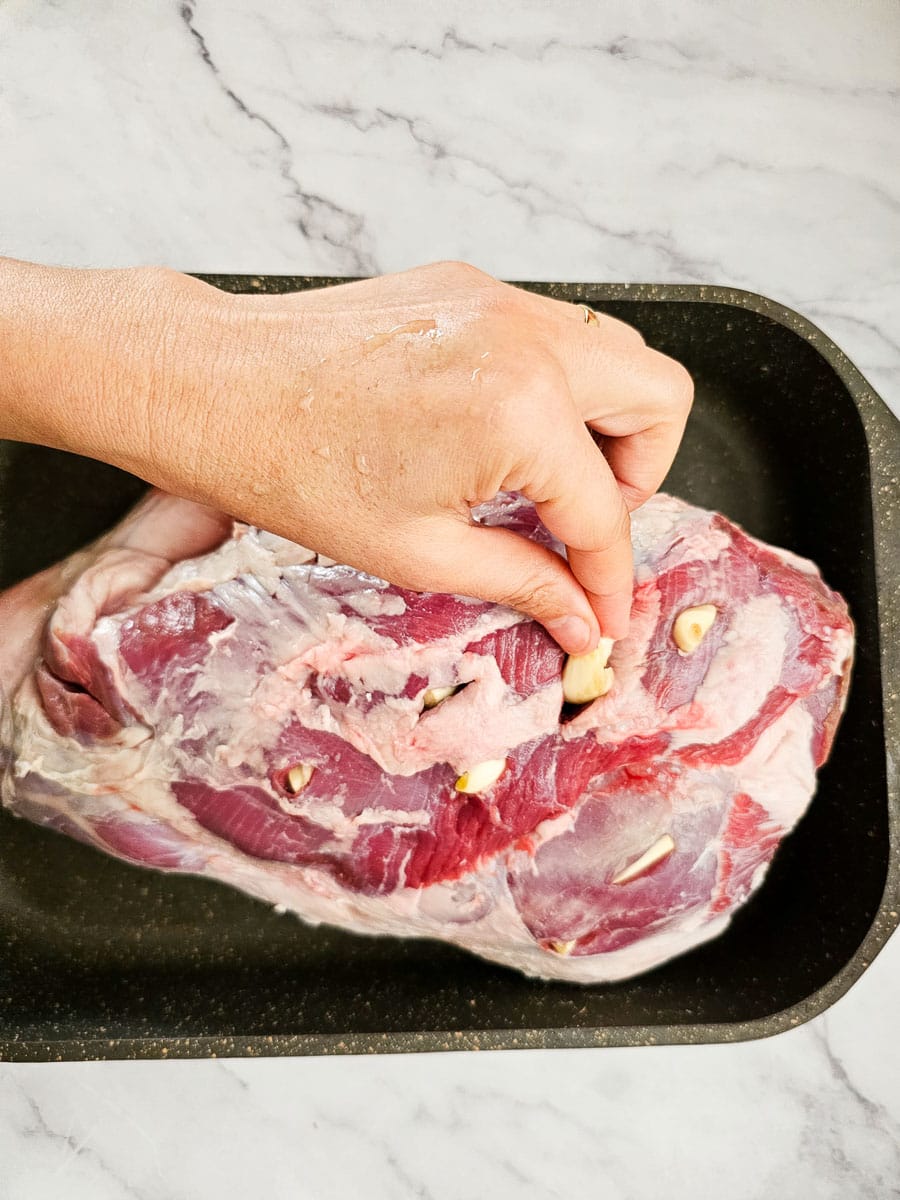
6. Insert the garlic cloves into the slits.
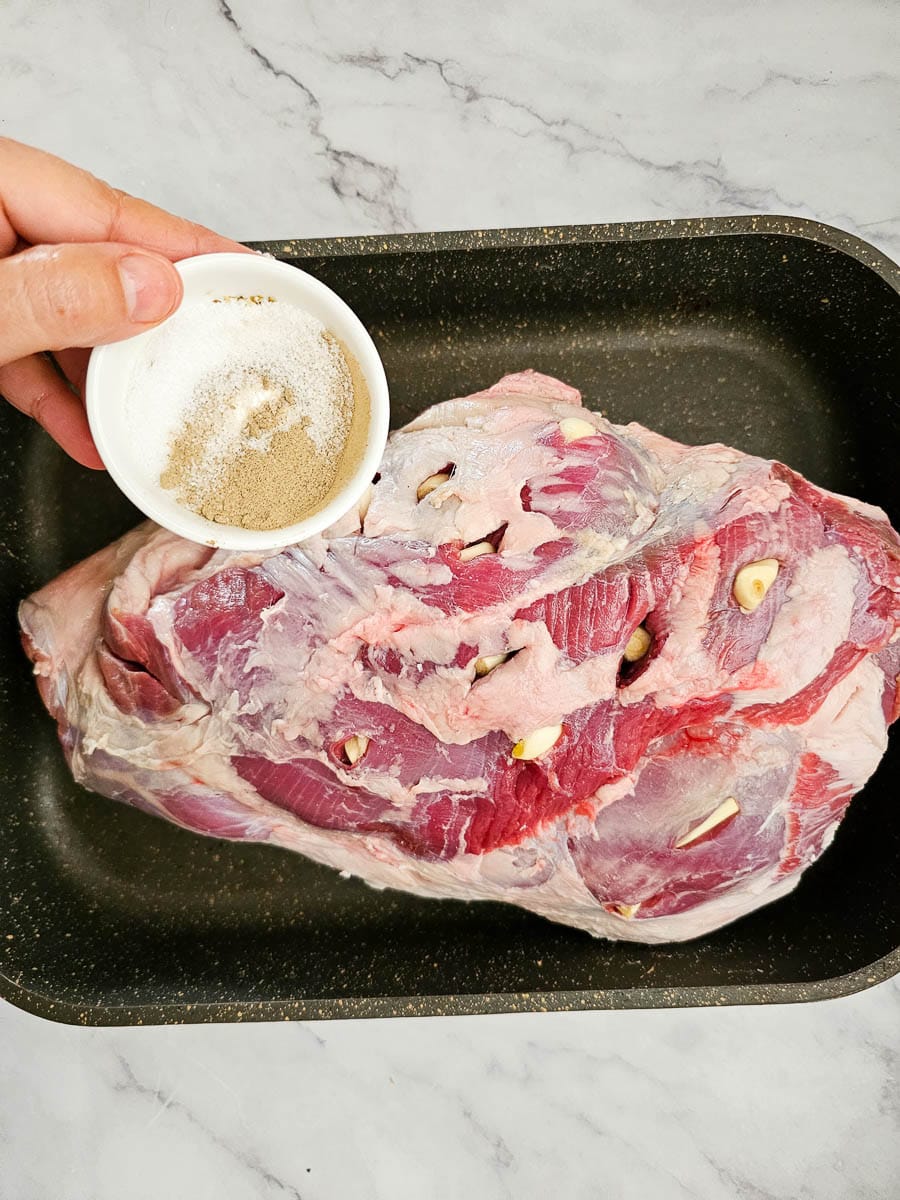
7. Season the lamb all over with salt and pepper.
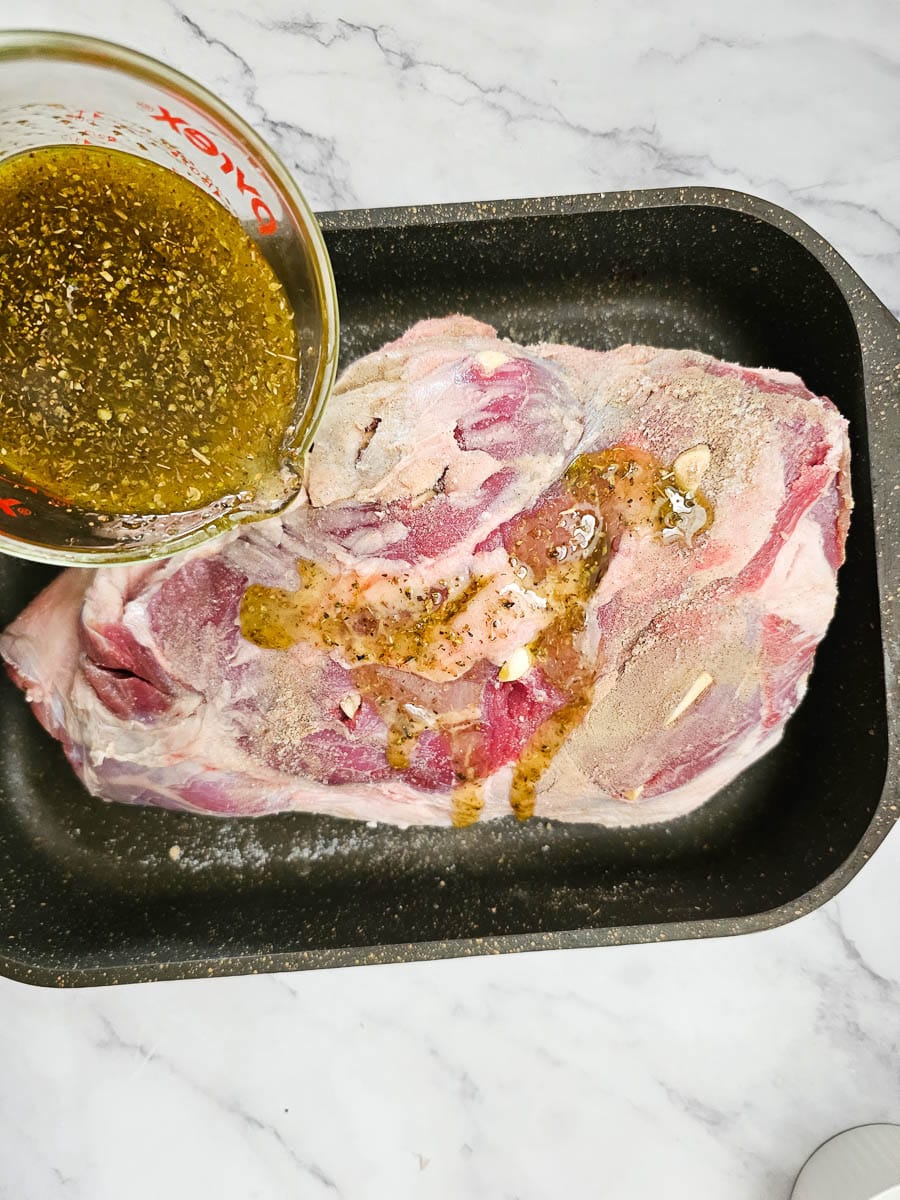
8. Pour the marinade over the lamb, turning to coat both sides.
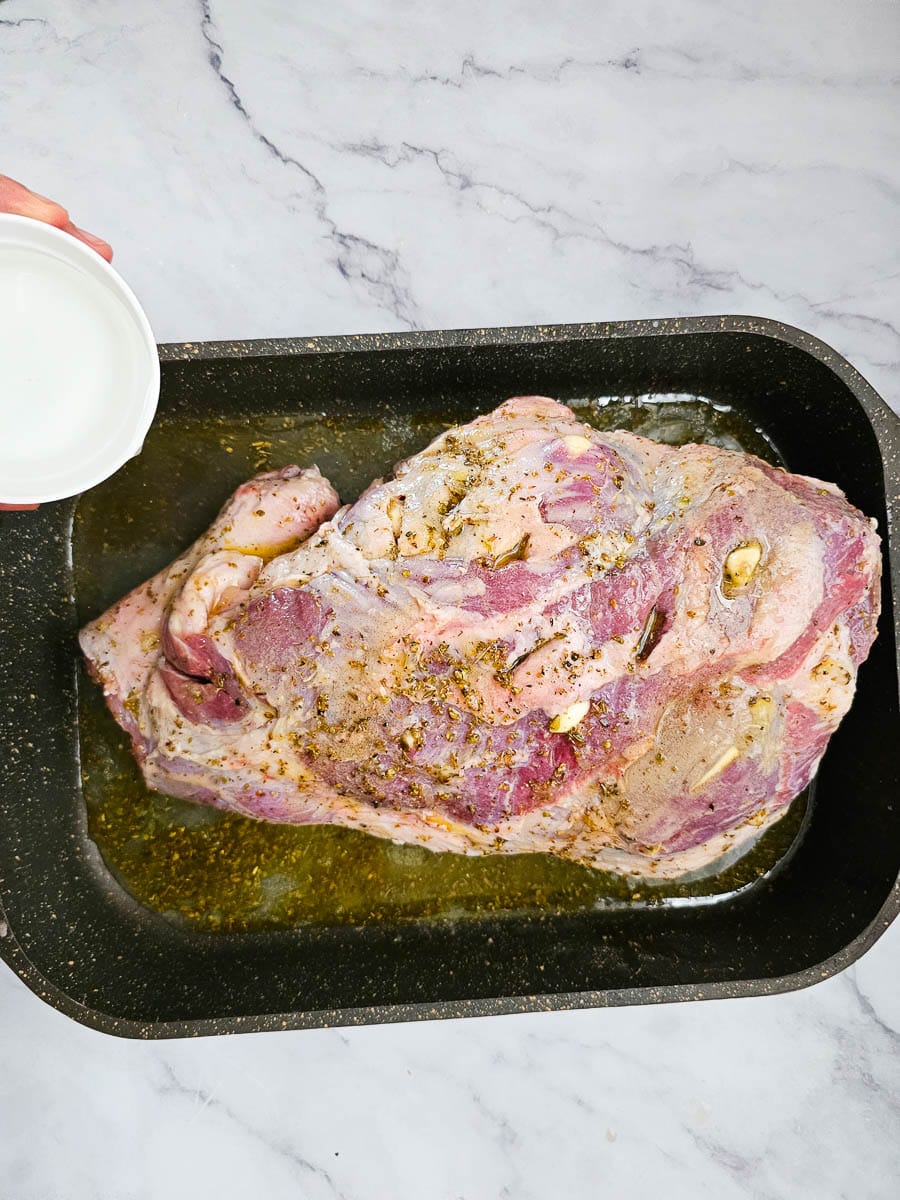
9. Pour the water into the side of the pan, avoiding washing off the marinade.
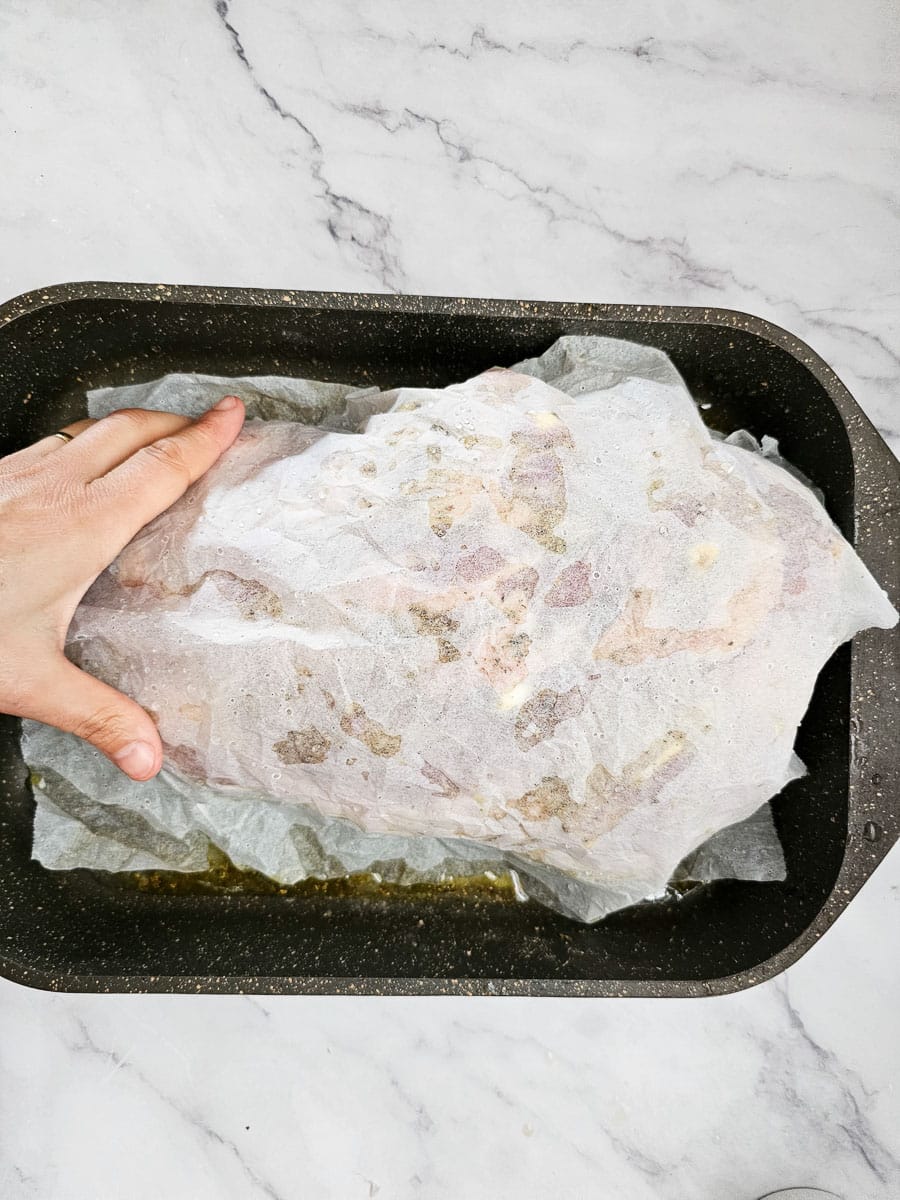
10. Cover the lamb with baking paper.

11. Cover with foil and roast the lamb, covered at 150°C / 300°F for 4 ½ hours.
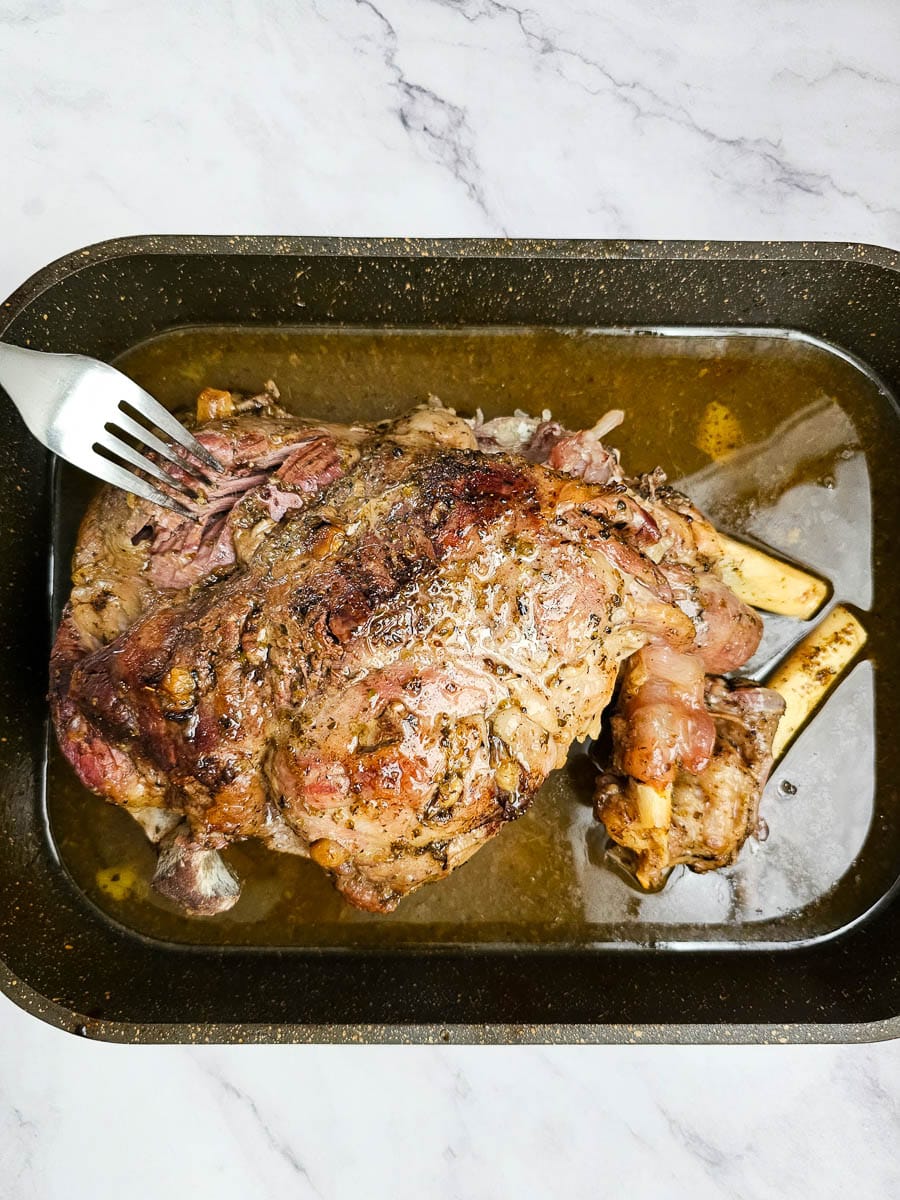
12. Carefully remove the tray from the oven. The lamb should be very tender and easily pull apart with two forks. If it is not quite ready, tightly cover again and return to the oven for another 30 minutes and check again.
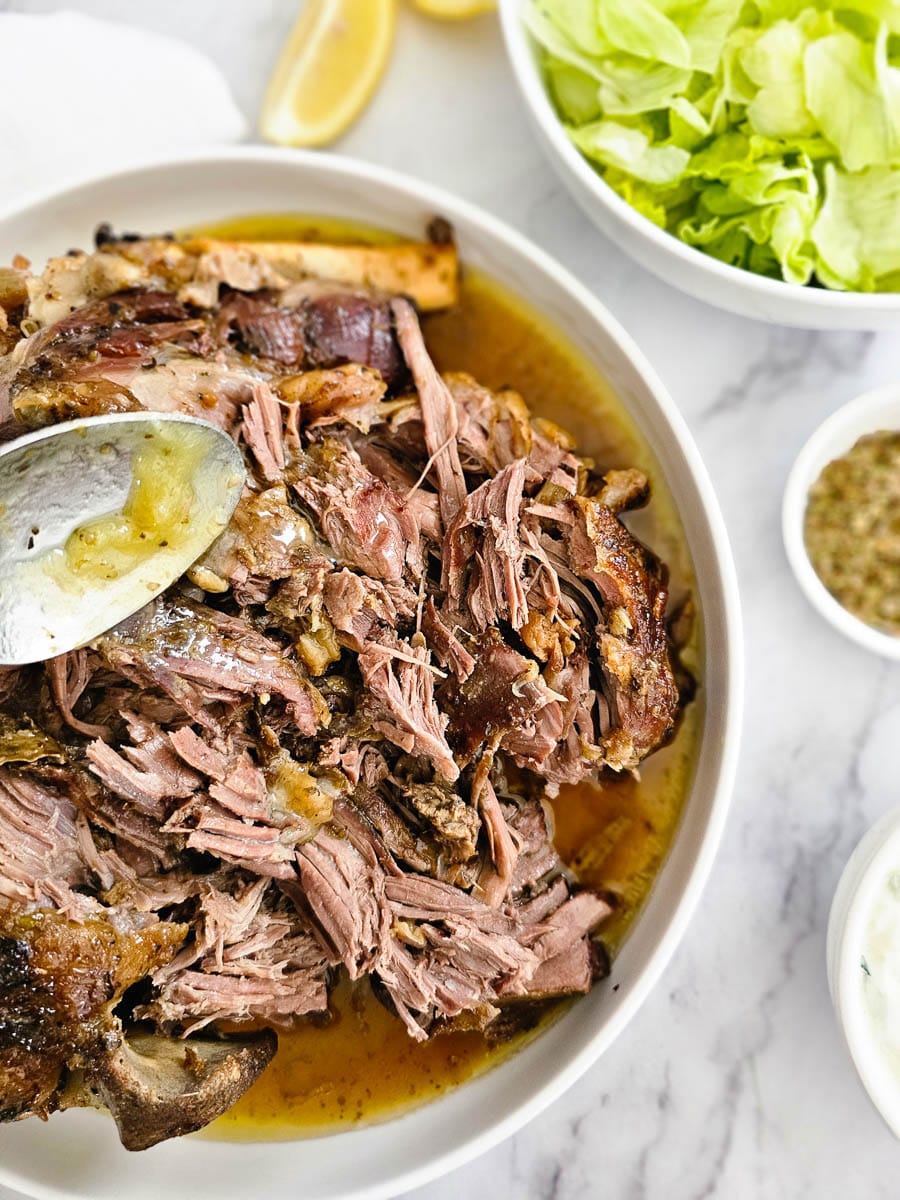
Remove from oven and rest for 20–30 minutes. Use two forks to gently pull the lamb apart and spoon over the pan juices before serving.
Health Benefits of Greek Slow-Roasted Leg of Lamb
This Greek slow-roasted leg of lamb is not only comforting and full of flavour, but it also provides a variety of important nutrients.
- High in protein. Lamb is an excellent source of high-quality protein, which helps build and repair muscles while keeping you feeling fuller for longer.
- Rich in iron. Lamb provides highly absorbable heme iron, which supports healthy red blood cells and helps transport oxygen throughout the body.
- Good source of vitamin B12. Vitamin B12 plays an important role in nerve function, red blood cell production, and energy metabolism.
- Provides zinc. Lamb is naturally rich in zinc, an essential mineral that supports normal immune function, wound healing, and healthy cell growth.
- Contains healthy fats. When enjoyed as part of a balanced diet, lamb provides fats that contribute to flavour and help the body absorb fat-soluble vitamins.
- Garlic and lemon. Garlic contains natural plant compounds, while fresh lemon adds vitamin C and a bright, fresh flavour that complements the richness of the lamb.
- Extra virgin olive oil. A staple of the Mediterranean diet, extra virgin olive oil is rich in monounsaturated fats and natural antioxidants.
Tips for the Best Greek Slow-Roasted Leg of Lamb
Use a bone-in leg of lamb
A bone-in leg of lamb will always give you more flavour and a richer roast. The bone helps conduct heat evenly through the meat while also keeping it moist during long cooking. It also adds depth to the pan juices, which are perfect for spooning over the finished dish. If possible, always choose bone-in for the best result.
What size roasting dish should I use for a leg of lamb?
Choose a roasting dish that fits the lamb comfortably without too much empty space around it. A snug-fitting dish helps create a moist cooking environment by keeping the pan juices concentrated around the lamb as it slow roasts. This helps keep the lamb tender and juicy while allowing the pan juices to develop into a rich, flavourful sauce.
What temperature should I slow roast a leg of lamb?
The best temperature for slow roasting a leg of lamb is 150°C (300°F) (fan-forced). Cooking the lamb at a lower temperature gives the connective tissue and fat time to slowly break down, resulting in tender, juicy meat that pulls apart effortlessly with a fork.
Avoid increasing the oven temperature to speed up the cooking process, as this can cause the outside to cook too quickly before the inside becomes tender. Low and slow is the secret to achieving that melt-in-your-mouth texture and rich flavour that makes Greek slow-roasted lamb so irresistible.
Slow Roasted Greek Leg of Lamb cooking times
| Leg of Lamb Weight | Cooking Time 150°C / 300°F |
| 2 kg (4.4 lb) | 3½–4 hours |
| 2.5 kg (5.5 lb) | 4–4½ hours |
| 3 kg (6.6 lb) | 4½–5 hours |
| 3.5 kg (7.7 lb) | 5–5½ hours |
These times are for a bone-in leg of lamb cooked covered tightly with foil or a lid. The lamb is done when a fork slides in easily and the meat can be pulled apart with minimal effort. Ovens vary, so use the times as a guide and check tenderness toward the end of the cooking time.
Why should you cover lamb when slow roasting?
Covering the lamb tightly is one of the most important steps when slow roasting. Start by covering the lamb with baking paper, then seal it tightly with aluminium foil. This traps steam inside the roasting dish, allowing the lamb to gently braise in its own juices while preventing it from drying out during the long cooking time. The result is tender, juicy lamb that easily pulls apart with a fork.
How do I know when slow-roasted lamb is done?
Slow-roasted lamb needs time to become tender, so patience is important. The lamb is ready when it is fork-tender and easily pulls away from the bone. If it still feels firm, simply cover it again and continue roasting. Rushing the process will result in tougher meat rather than that signature melt-in-the-mouth texture.
Let the lamb rest before carving
Resting the lamb after cooking is an essential step that should never be skipped. Allow it to rest for 15–20 minutes before carving. This gives the juices time to redistribute throughout the meat instead of running out when sliced. The result is more tender, juicy lamb in every bite.
What to serve with the Lamb Roast
- Greek Lemon Potatoes
- Roasted vegetables (carrots, pumpkin, sweet potato, cauliflower)
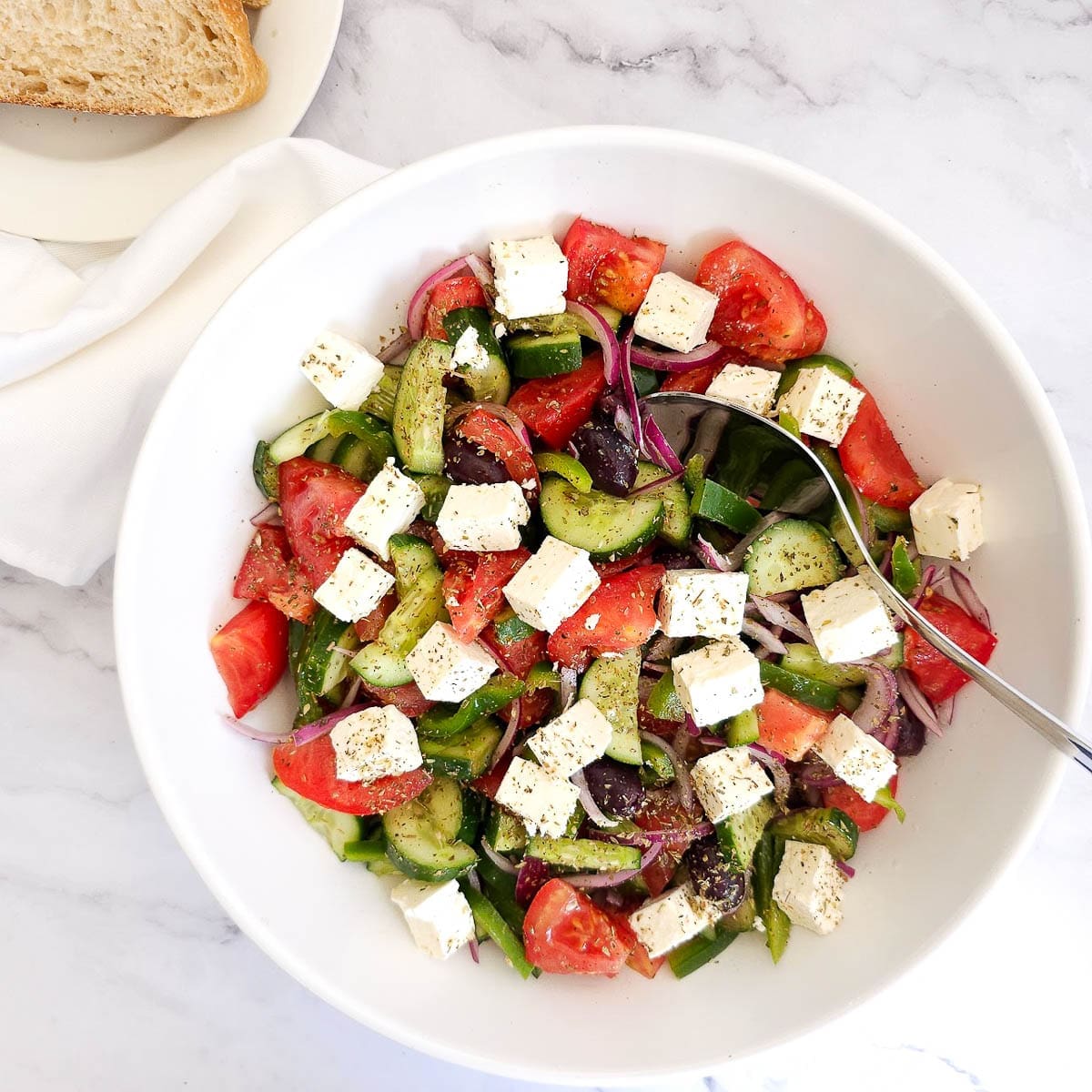
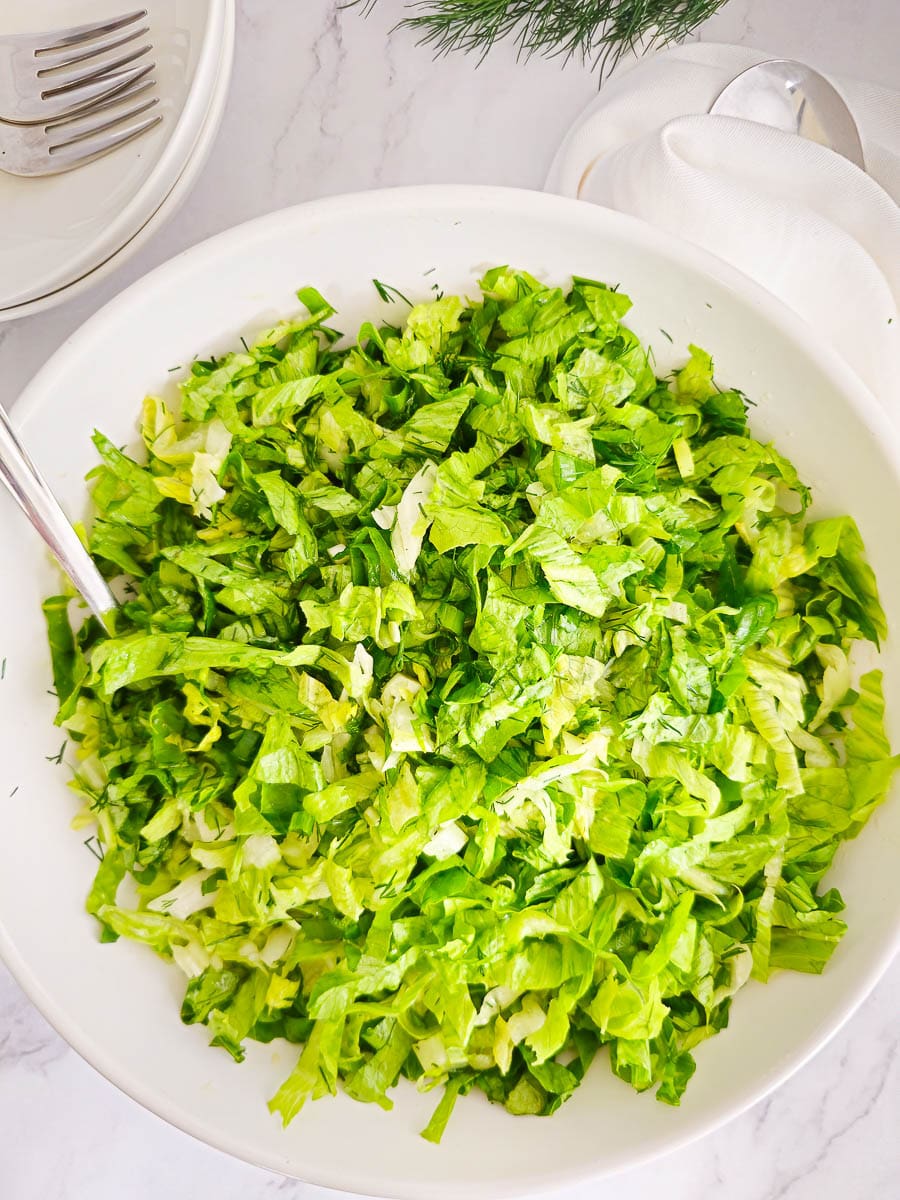
- Fresh Greek Salad or Greek Lettuce Salad (Maroulosalata)
- Warm pita bread and Tzatziki
- Greek Olive Oil Fries (Patates Tiganites)
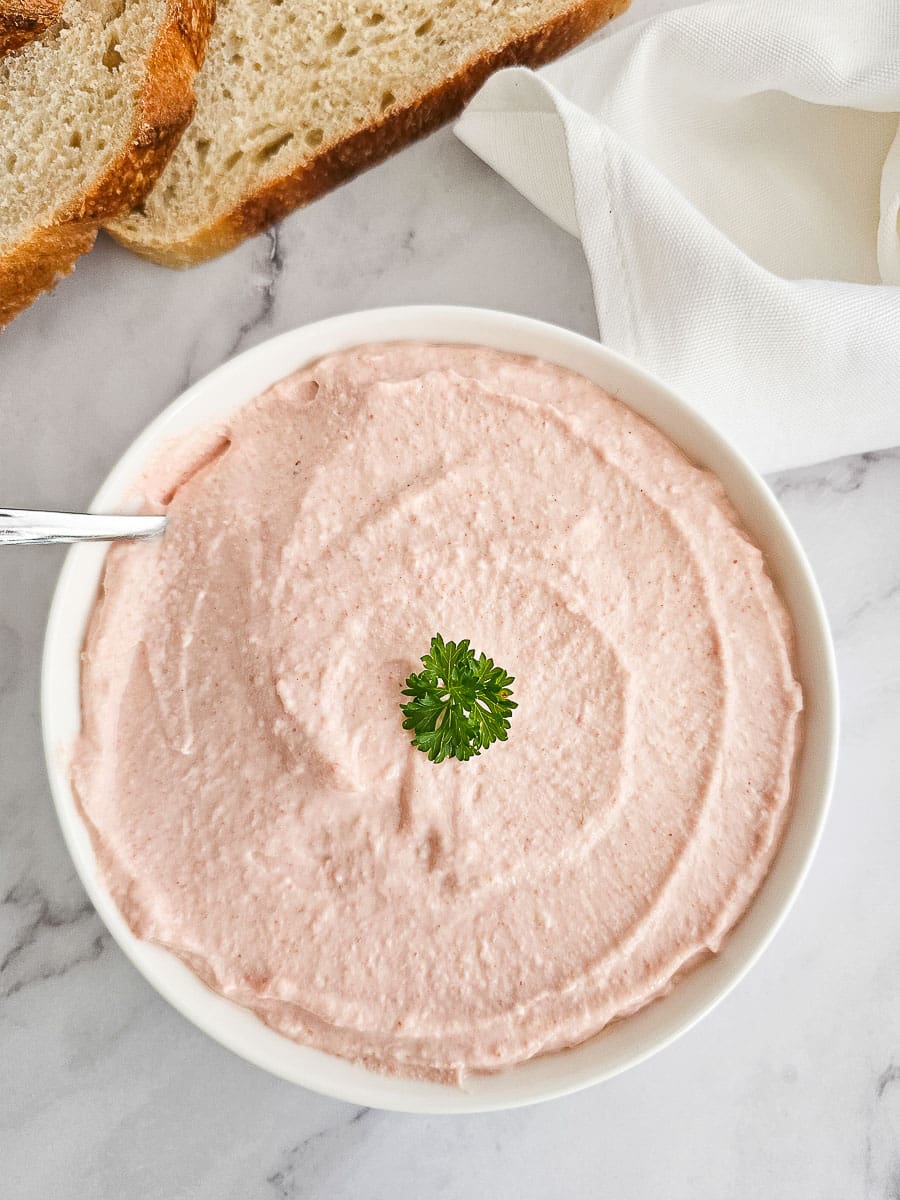
- Taramosalata (Greek Fish Roe Dip)
Can I prepare this ahead of time?
Yes, you can prepare the lamb ahead of time to make cooking easier on the day. Trim any excess fat if needed, cut small slits into the lamb and insert the garlic cloves. Prepare the marinade separately and store it in the refrigerator until you are ready to cook.
Place the prepared lamb in a covered container or on a tray covered with cling wrap and store it in the fridge for up to 24 hours. When ready to cook, allow the lamb to sit at room temperature for 30–60 minutes before roasting.
Storage and leftovers
Leftover lamb can be stored in an airtight container in the refrigerator for 3–4 days or frozen for up to 2–3 months. To reheat, thaw overnight in the fridge if frozen, then warm gently in a covered oven dish at 160°C (320°F) until heated through, or microwave in short intervals.
Leftovers are perfect shredded into warm pita bread with Tzatziki, feta, tomato, cucumber and salad for an easy Greek-style lamb wrap.
You may also like…

Greek Slow-Roasted Leg of Lamb
8
servings20
minutes4
hours30
minutes20
minutes5
hours10
minutesIf you’re looking for a tender, pull-apart Greek slow-roasted leg of lamb packed with classic Greek flavours, this is a recipe you’ll want to make again and again. Slowly cooked with garlic, lemon and oregano, the lamb becomes incredibly juicy and full of flavour. It’s perfect for family dinners, Easter, or any special occasion.
Keep the screen of your device on
Ingredients
1 leg of lamb, bone-in (about 3kg 6.6 lb) (Note 1)
10 cloves garlic
1 1/2 tsp salt (adjust to taste)
1/2 tsp pepper (adjust to taste)
1/2 cup water (125 ml / 4.2 fl oz)
- Marinade for lamb
1/2 cup olive oil (125 ml / 4.2 fl oz)
1/2 cup lemon juice ( 2 125 ml / 4.2 fl oz) (Note 2)
1 tablespoon dried oregano
Instructions
- Prepare the lamb
- Remove the lamb from the fridge 30–60 minutes before cooking to allow it to come to room temperature.
- Peel the garlic cloves, leaving them whole. If some cloves are large, cut them in half.
- Prepare the marinade. In a measuring jug or jar, combine the olive oil, lemon juice and oregano. Whisk or shake well until combined.
- Preheat oven to 150°C / 300°F.
- Place the lamb in a small roasting pan or baking dish (this helps keep it tender and juicy). Trim excess fat if preferred, then pat dry with paper towel. (Note 3)
- Using a small sharp knife, make about 10 small incisions all over the lamb. Insert the garlic cloves into the slits.
- Season the lamb all over with salt and pepper.
- Pour the marinade over the lamb, turning to coat both sides. Pour the water into the side of the pan, avoiding washing off the marinade.
- Tear off a sheet of baking paper large enough to fully cover the lamb. Wet it under running water, scrunch it up, then squeeze out the excess water. Place it loosely over the lamb, then tightly seal the tray with foil. This traps in moisture and keeps the lamb tender while slow roasting. (Note 4)
- Roast the lamb
- Roast the lamb, covered at 150°C / 300°F for 4 ½ hours.
- Carefully remove the tray from the oven. The lamb should be very tender and easily pull apart with two forks. If it is not quite ready, tightly cover again and return to the oven for another 30 minutes and check again.
- For a crispy golden finish, uncover the lamb and roast at 220°C / 425°F for 15–20 minutes or until browned to your liking.
- Remove from oven and rest for 20–30 minutes. Use two forks to gently pull the lamb apart and spoon over the pan juices before serving.
Notes
- Notes: 1 Tablespoon = 20 ml / 0.7 fl oz 1 Cup = 250 ml / 8.45 fl oz
- 1. Most lamb legs are already partially cut through the shank bone so they can fold slightly to fit a roasting dish; if not, ask your butcher to make a small cut while keeping the bone intact for extra flavour and tenderness. Cooking Time: This recipe is based on a 3 kg (6.6 lb) leg of lamb. If your lamb is smaller or larger, refer to the cooking time guide below and adjust the roasting time accordingly.
- 2. Use fresh lemons instead of bottled juice for the best flavour.
- 3. Choose a roasting dish that fits the lamb comfortably without too much empty space around it. A snug-fitting dish helps create a moist cooking environment by keeping the pan juices concentrated around the lamb as it slow roasts.
- 4. Place damp baking paper directly on the lamb, then seal with foil. This traps moisture and keeps the meat tender and juicy.
- 5. Store leftovers in an airtight container in the fridge for up to 3-4 days or frozen for up to 2–3 months. To reheat, thaw overnight in the fridge if frozen, then warm gently in a covered oven dish at 160°C (320°F) until heated through, or microwave in short intervals until warm.
- 6. Turn leftovers into Greek-style lamb wraps with warm pita bread with Tzatziki, feta, tomato, cucumber and salad for a delicious Greek-style lamb wrap.
Did you make this recipe?
Tag @mumsgreekrecipes on Instagram and hashtag it with
Like this recipe?
Follow @mumsgreekrecipes on Pinterest
UN