
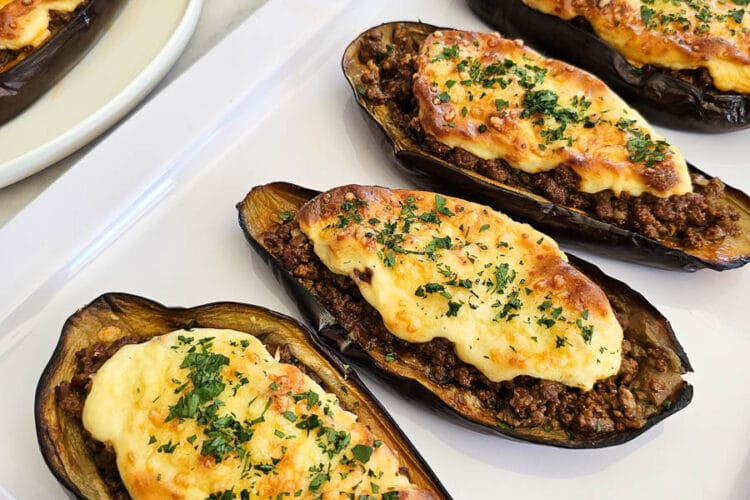
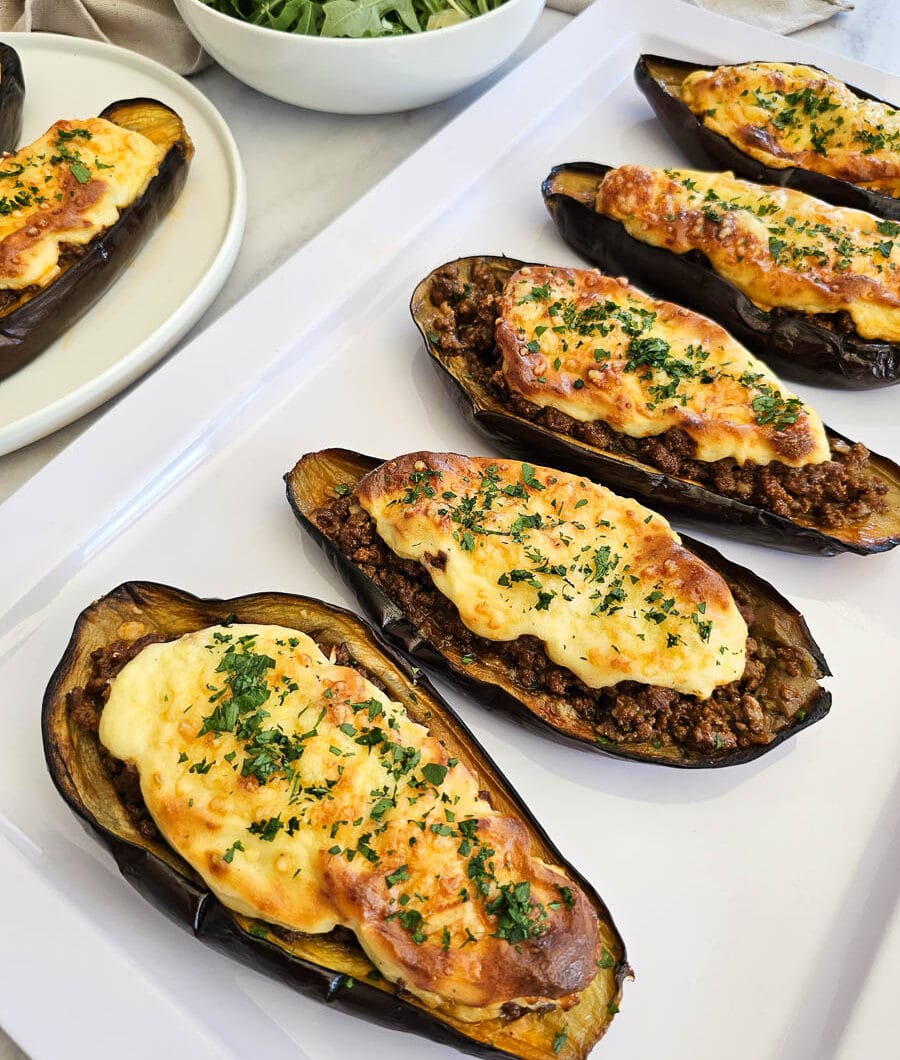
These Papoutsakia are a delicious, lighter twist on Moussaka (Minced Beef, Eggplant and Potato Bake), perfect when you want all the flavour but a quicker, lower-carb version. Soft roasted eggplants are filled with a tomato-based mince mixture, topped with creamy béchamel, and baked until golden and bubbling.
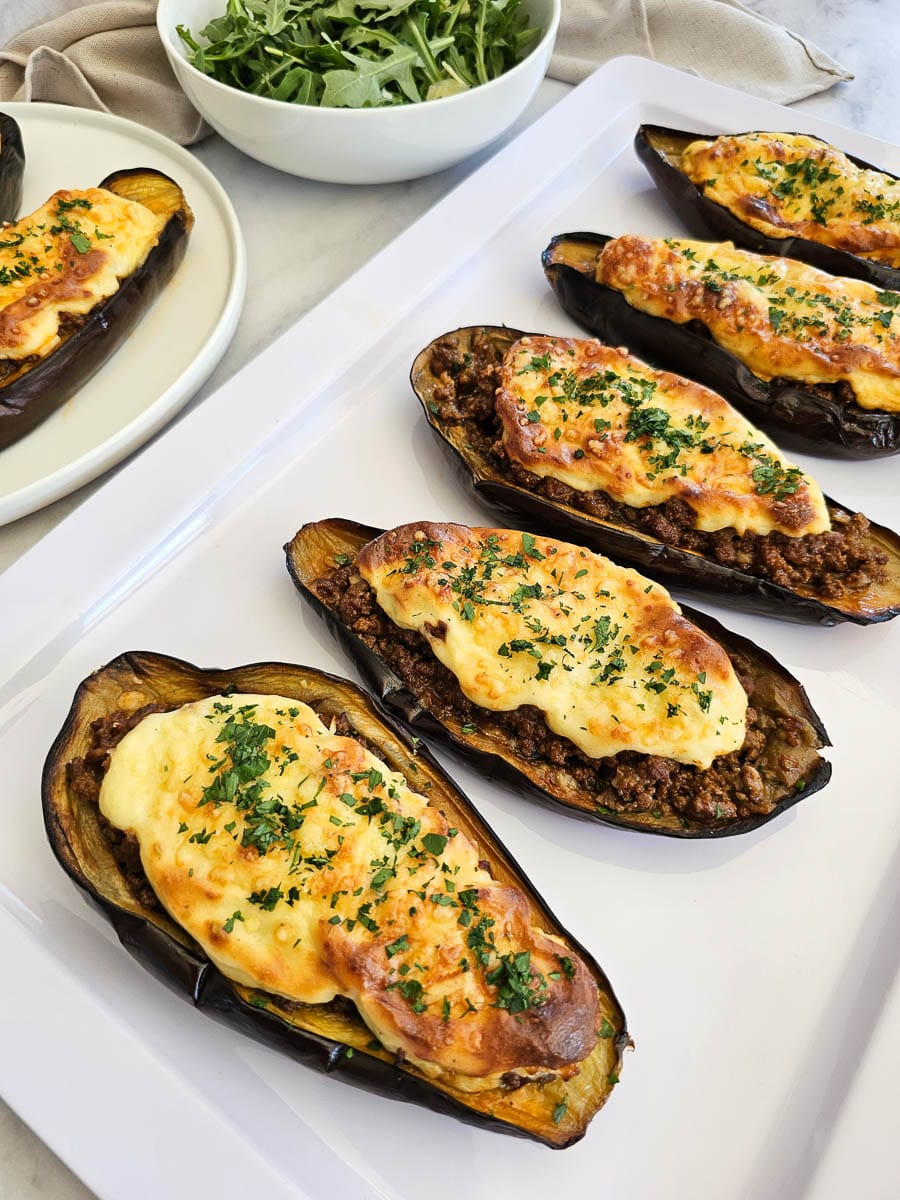
Whenever I’m craving Moussaka (Minced Beef, Eggplant and Potato Bake) but short on time, I turn to Papoutsakia (Greek stuffed eggplant). The name “Papoutsakia” literally means “little shoes,” referring to the halved eggplants that are filled with a savory meat sauce and topped with creamy béchamel.
I often make extra Bolognese-style mince and freeze it, ready to turn into these stuffed eggplants for a quick weeknight dinner. The combination of eggplant, protein-rich mince, nutrient-packed tomatoes, and calcium-rich béchamel makes this dish both hearty and nutritious. They’re perfect on their own or served with a simple side, like a fresh Greek Salad or crusty bread.
Ingredients for Papoutsakia (Greek Stuffed Eggplant)
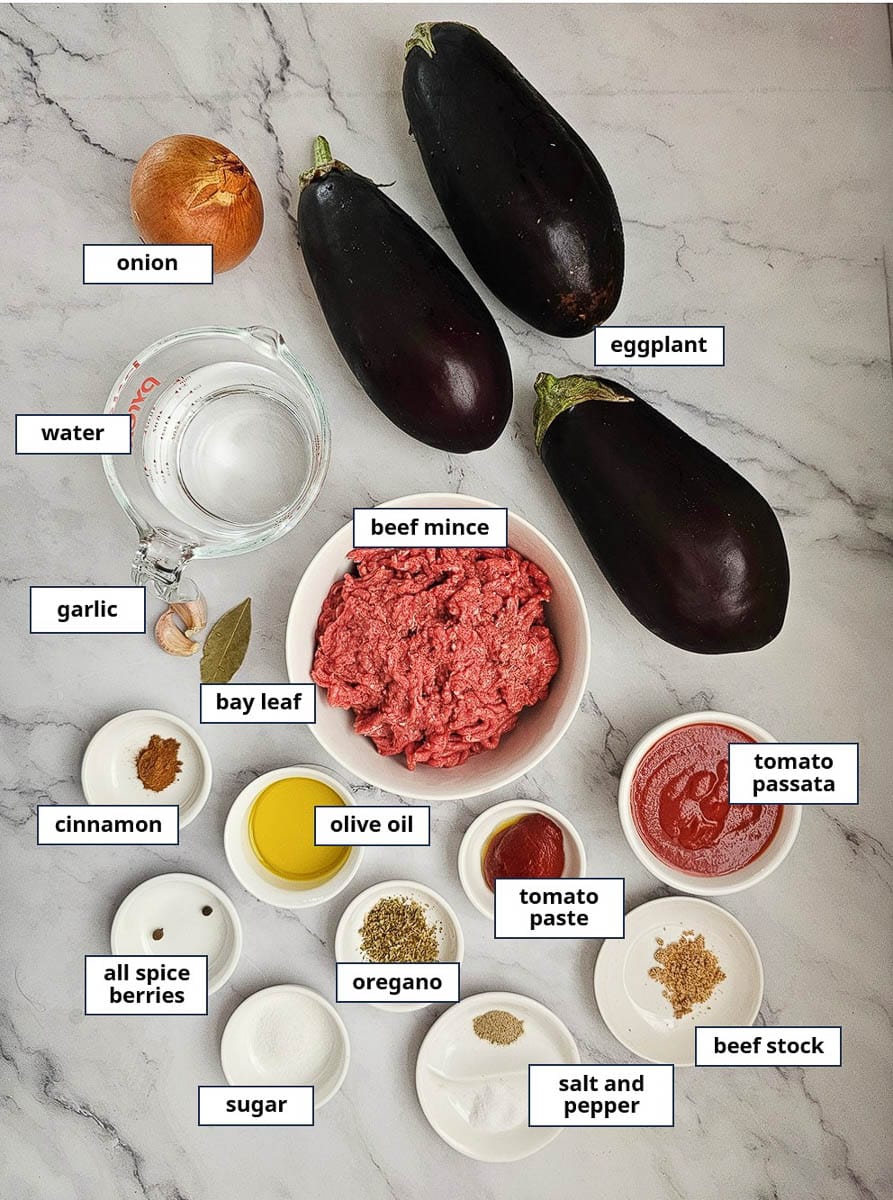
Eggplants: Choose medium to large eggplants so they hold the filling nicely.
Mince: Beef, lamb, or a mix of both work well for a flavourful filling. I always buy lean mince.
Herbs and spices: Garlic, onion, oregano, and cinnamon bring classic Greek flavours to this dish.
Beef stock: Adds a subtle, savoury depth to the meat sauce, enhancing richness without overpowering the other flavours. You could use chicken stock instead, if you like.
Tomato puree: Gives the sauce a lovely body and gentle acidity. You can also substitute with canned crushed tomatoes or grate two fresh tomatoes for a fresher, lighter flavour.
Ingredients for the béchamel sauce
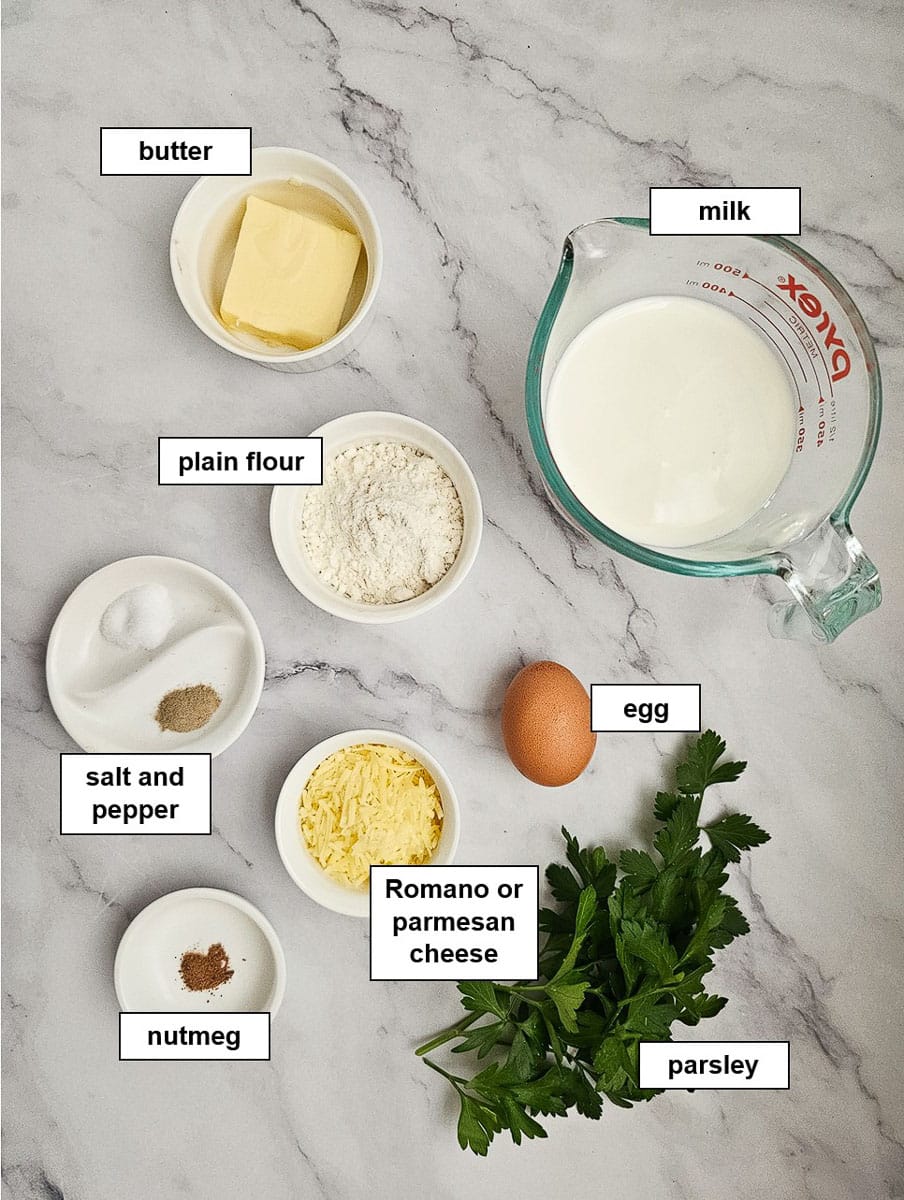
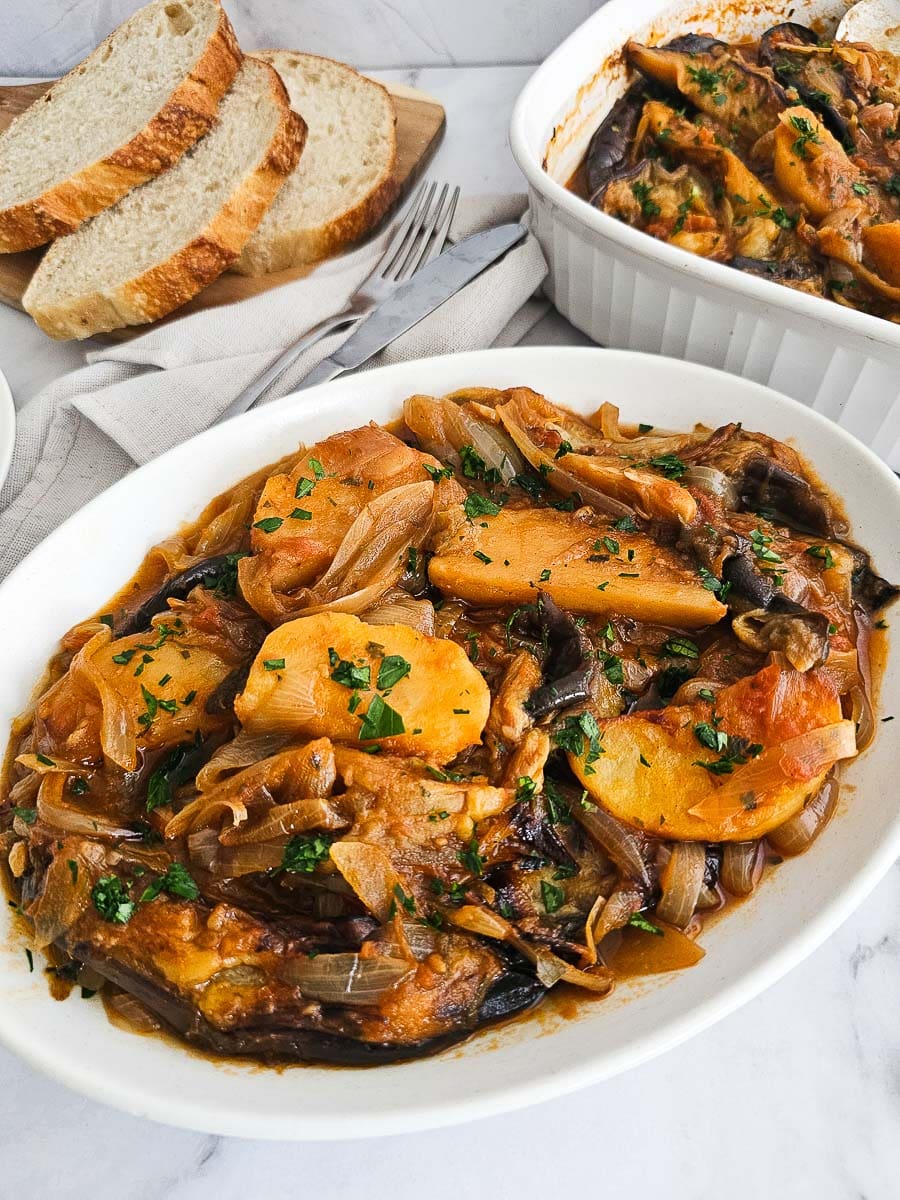
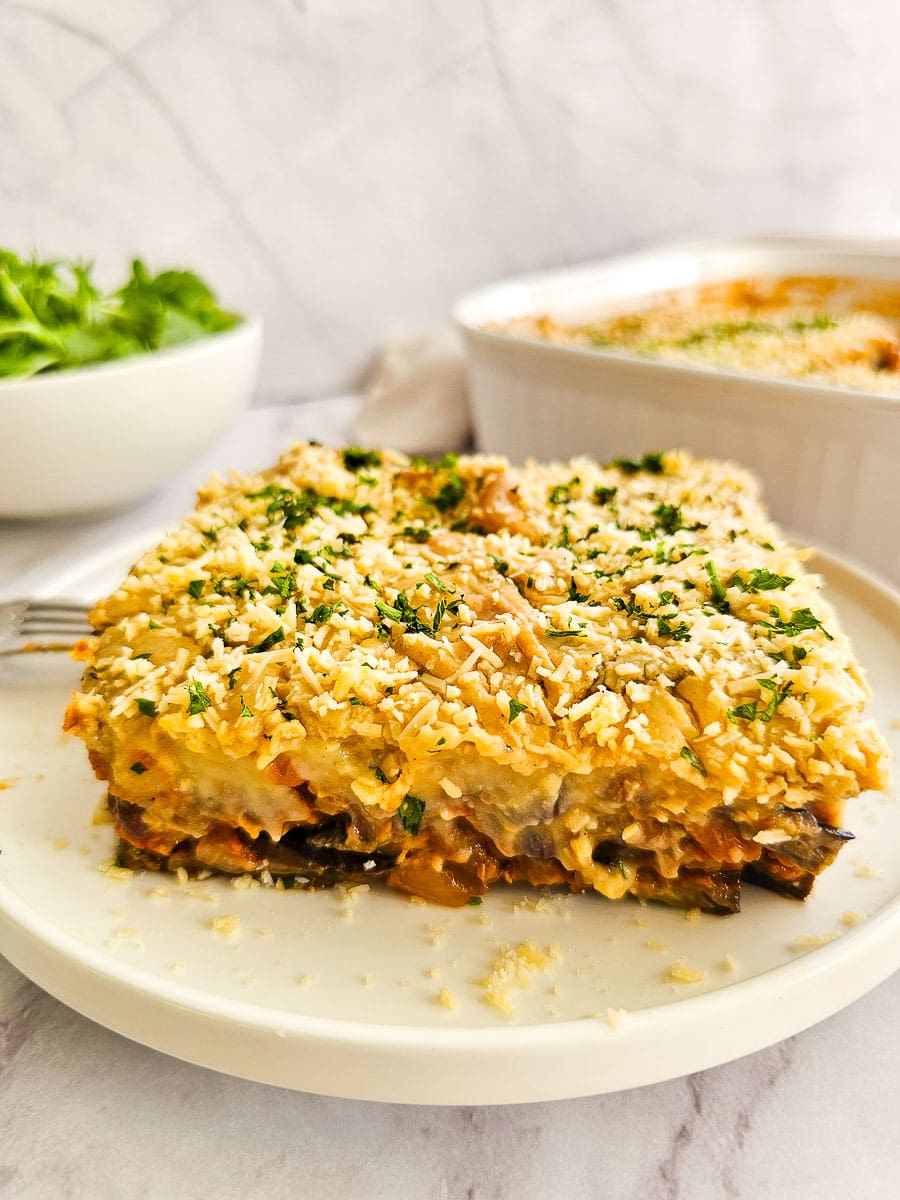
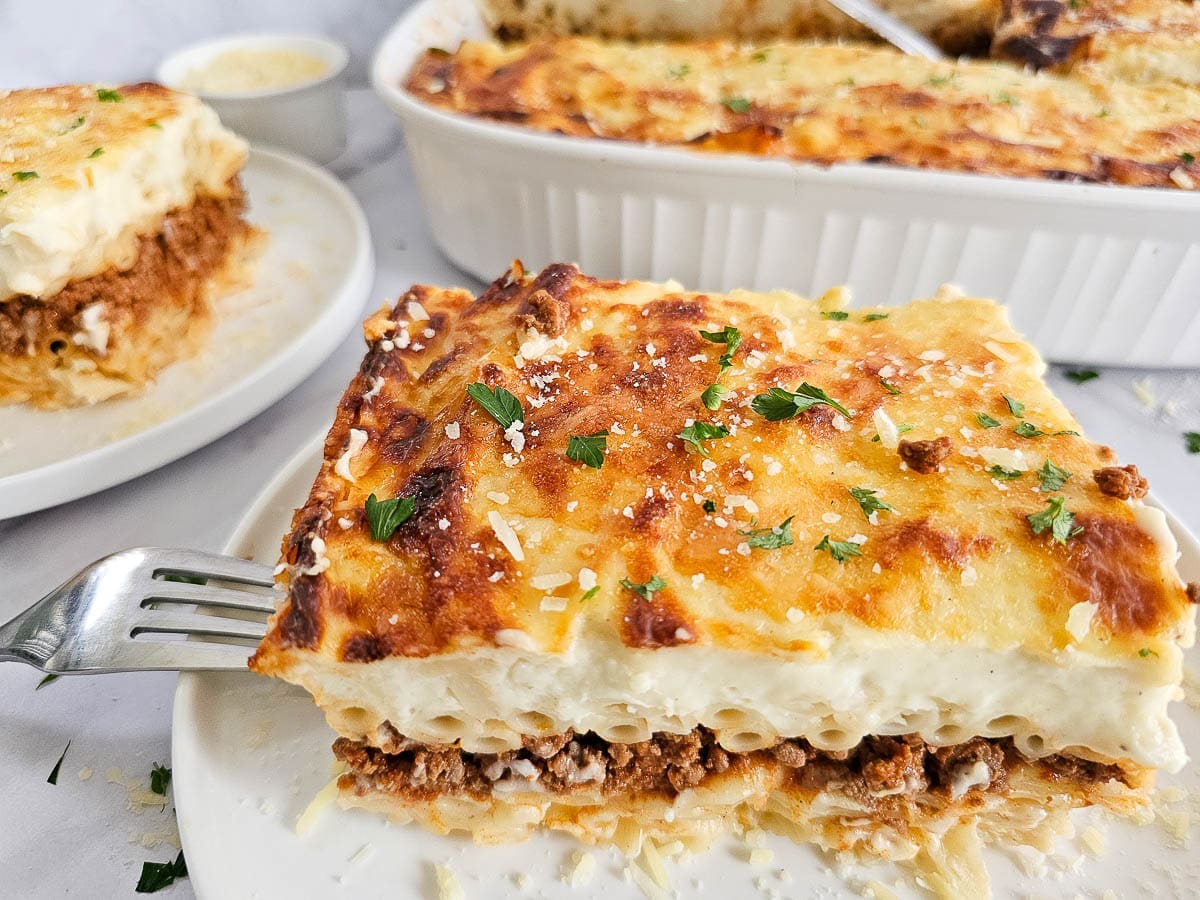
Bechamel sauce: Adds a creamy topping that balances the richness of the filling. You can make a gluten-free version by using gluten-free flour, or a dairy-free version by swapping the milk for oat, almond, or soy milk and using a dairy-free butter. If you love creamy homemade béchamel, check out this homemade Pastitsio (Greek Pasta Bake) or this Vegan Moussaka for more inspiration.
Cheese: I like to use parmesan or romano for a rich, savoury flavour, but you can also use kefalotyri, pecorino, or gruyère depending on what you have on hand. For a lighter option, try a firmer feta. If you prefer a dairy-free version, use a plant-based cheese that melts well to achieve a golden, bubbly topping.
How to make Papoutsakia (Greek Stuffed Eggplant)
Prepare and roast the eggplant
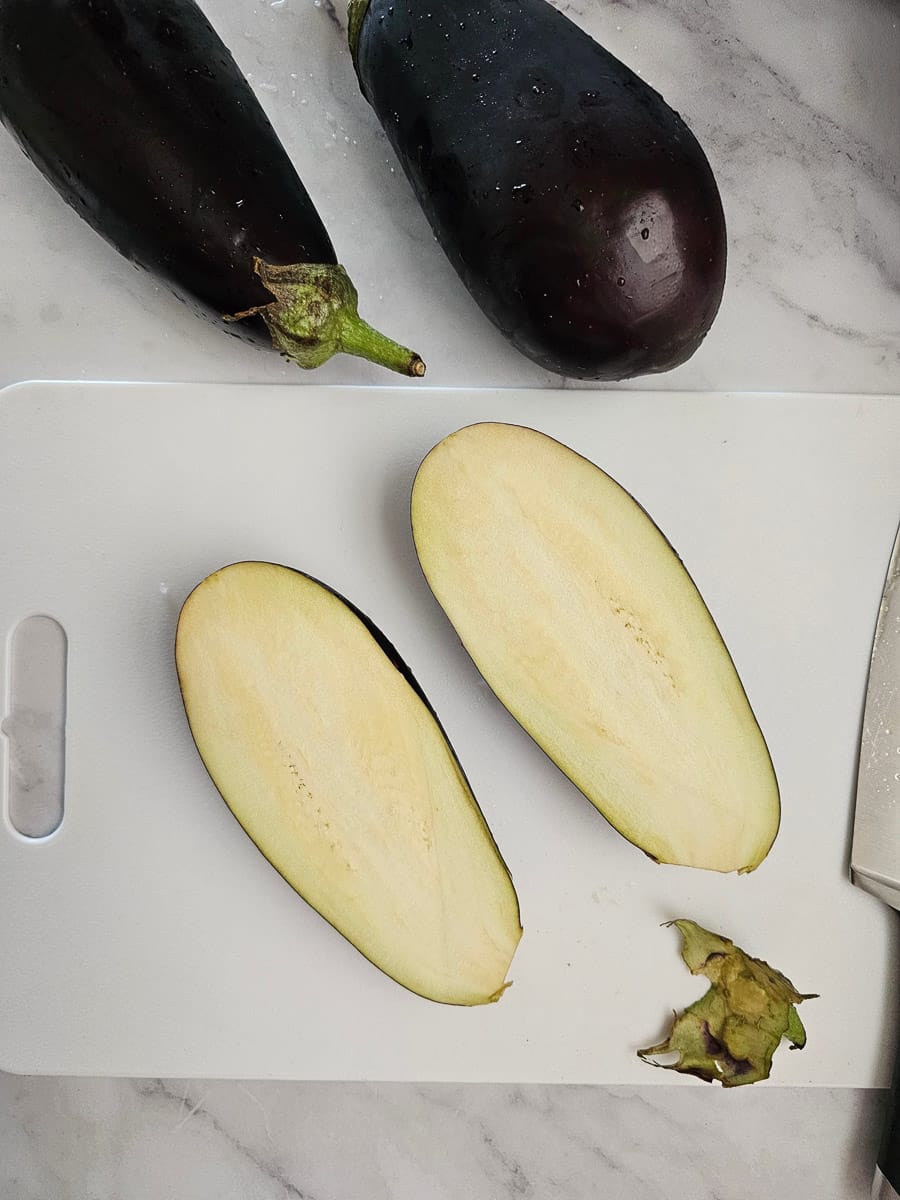
1. Cut off the top stem end of each eggplant, then slice each eggplant in half lengthwise.
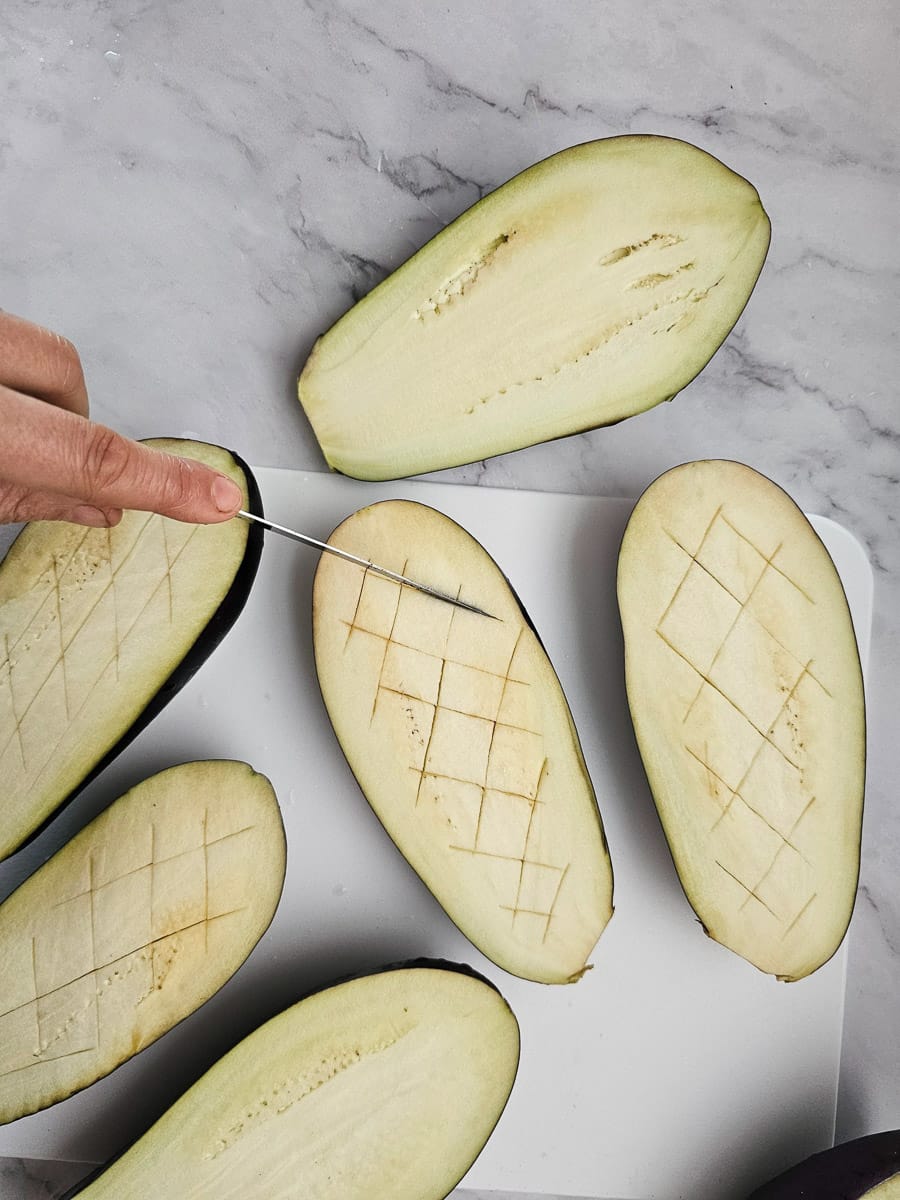
2. Score the flesh in a criss-cross pattern.
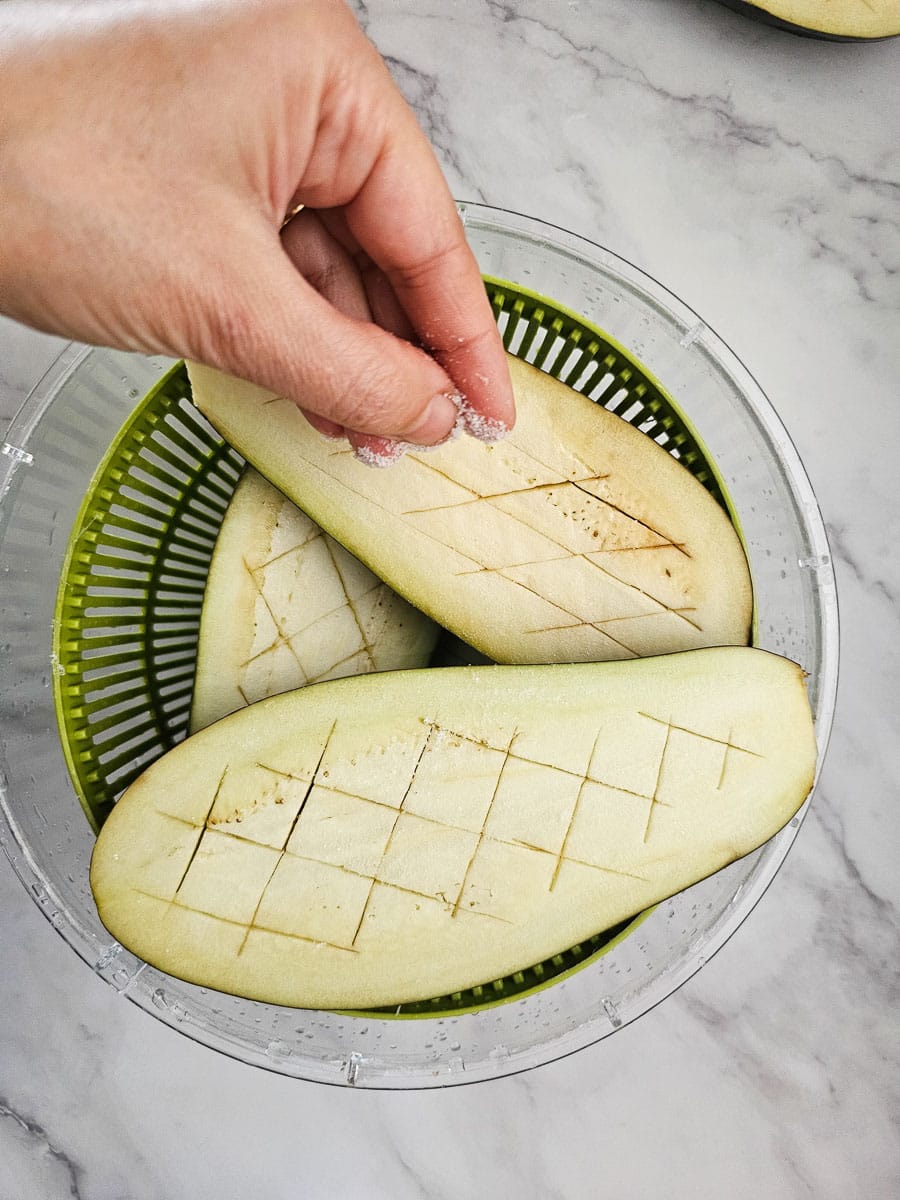
3. Sprinkle salt evenly over the flesh of each half.
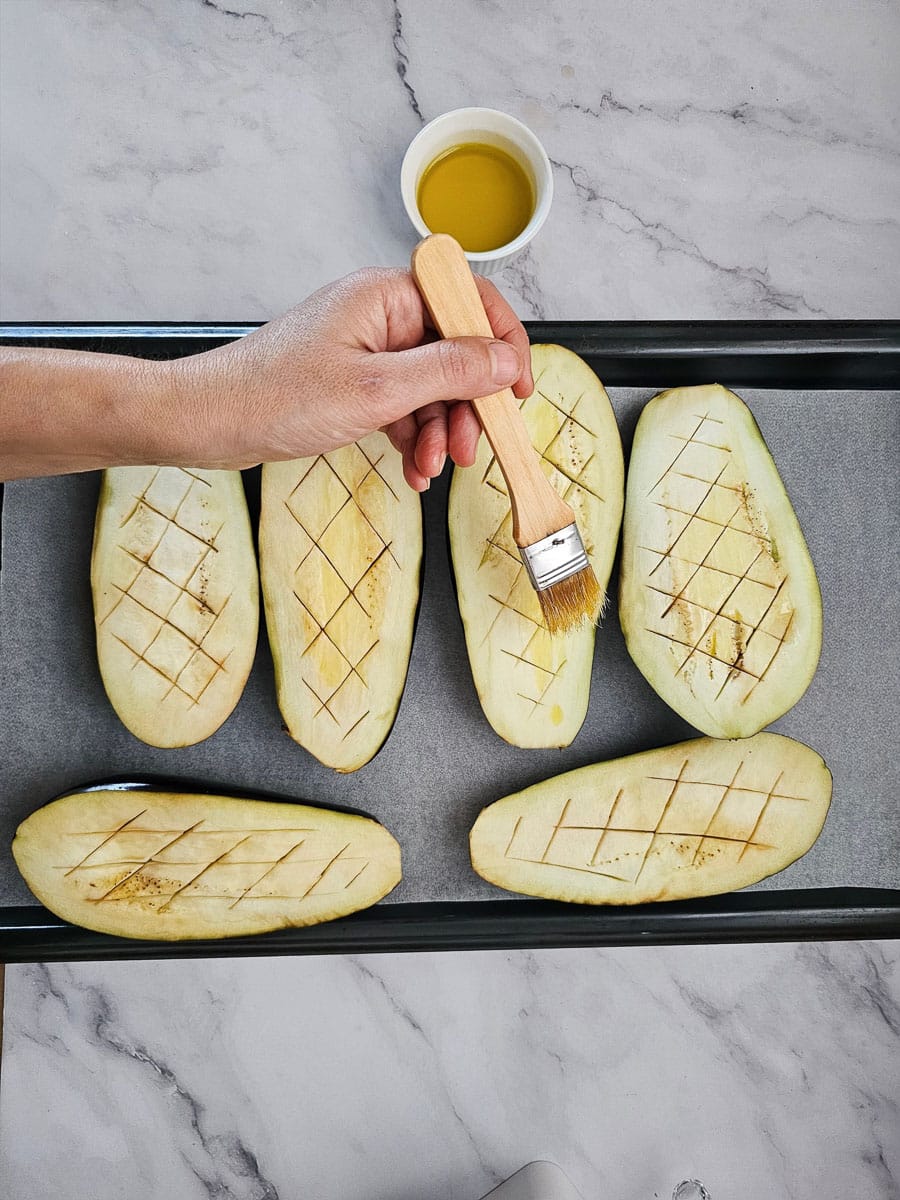
4. Place the eggplant halves on a large baking dish and brush generously with olive oil.
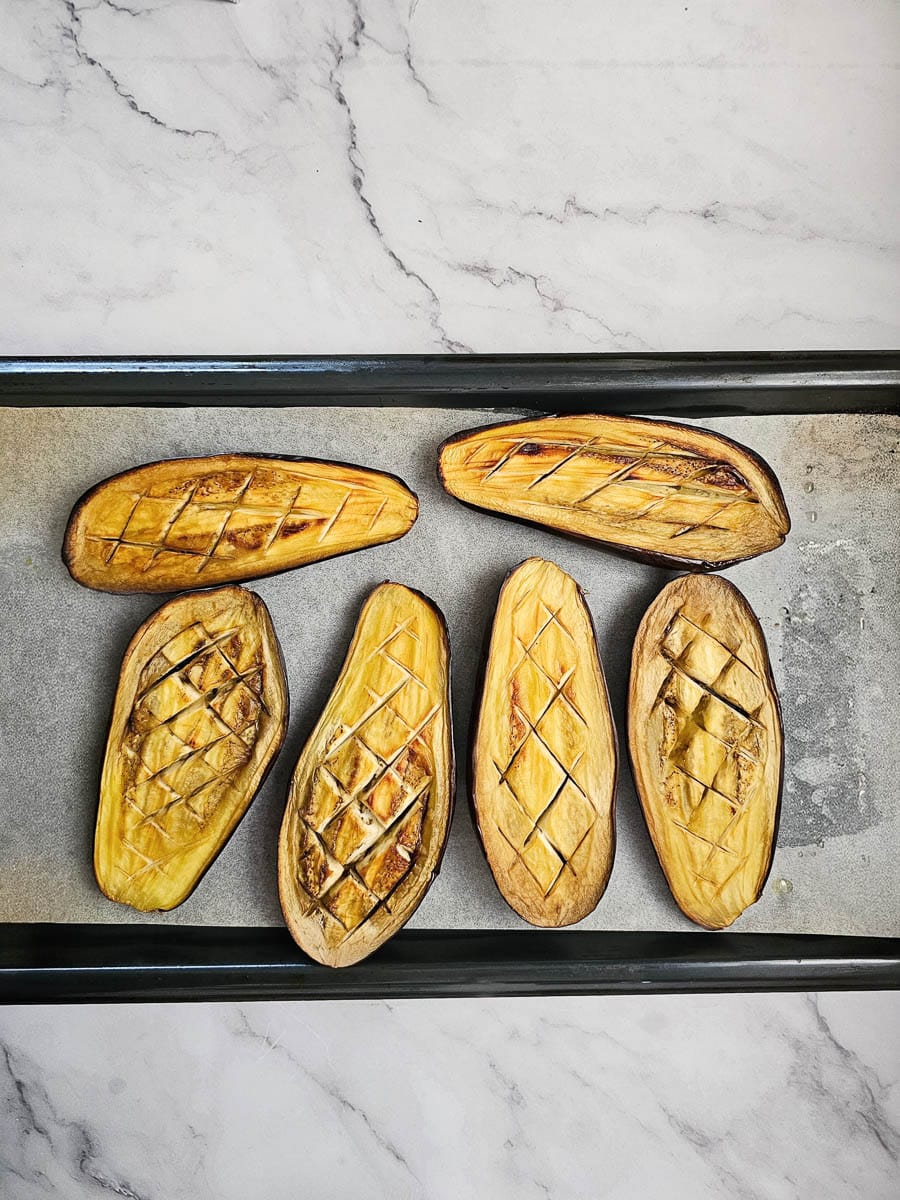
5. Roast, uncovered, for 35 minutes, or until the flesh is soft and golden brown.
Prepare the meat sauce
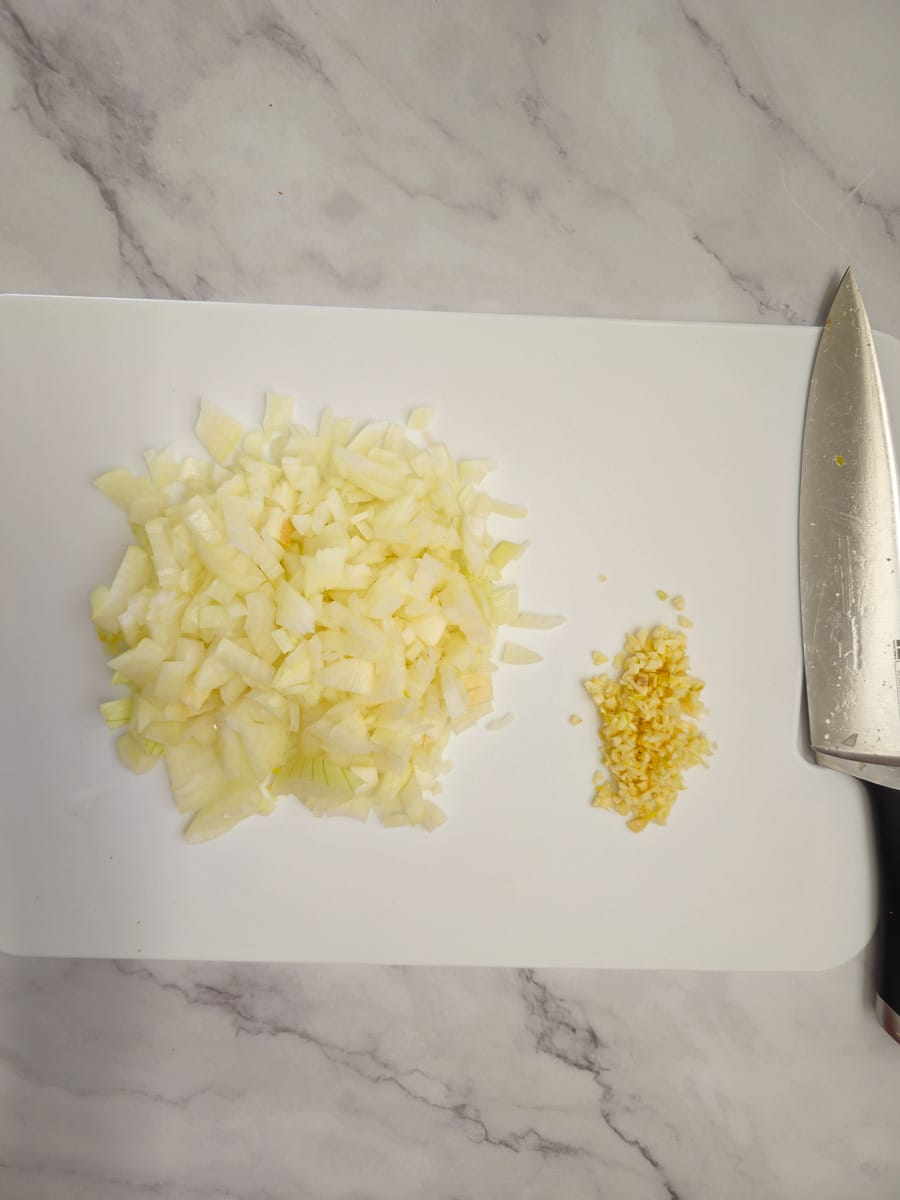
1. Dice onions and mince garlic.
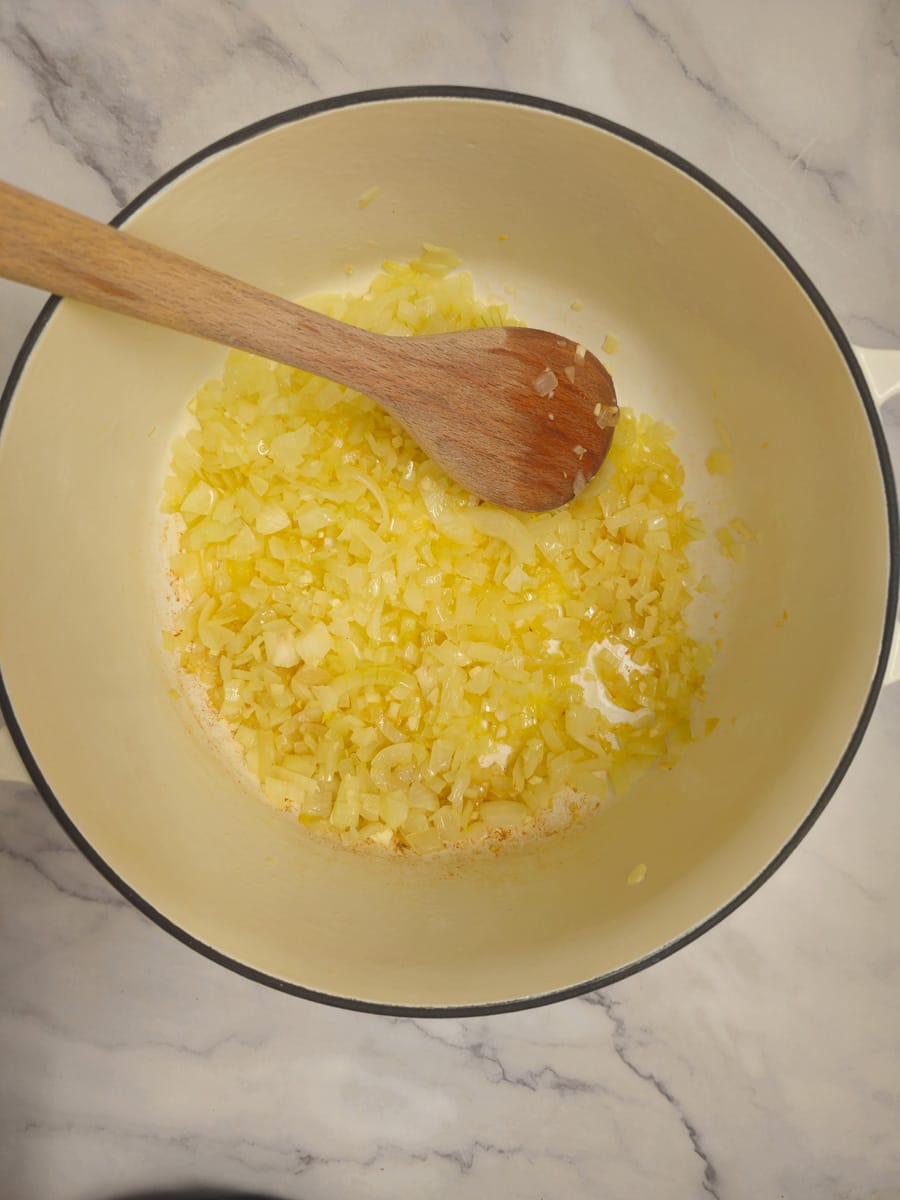
2. Heat oil in a saucepan. Add onion and sauté for 2-3 minutes over medium-high heat until the onion is soft. Add the garlic and continue to sauté for 1-2 minutes.
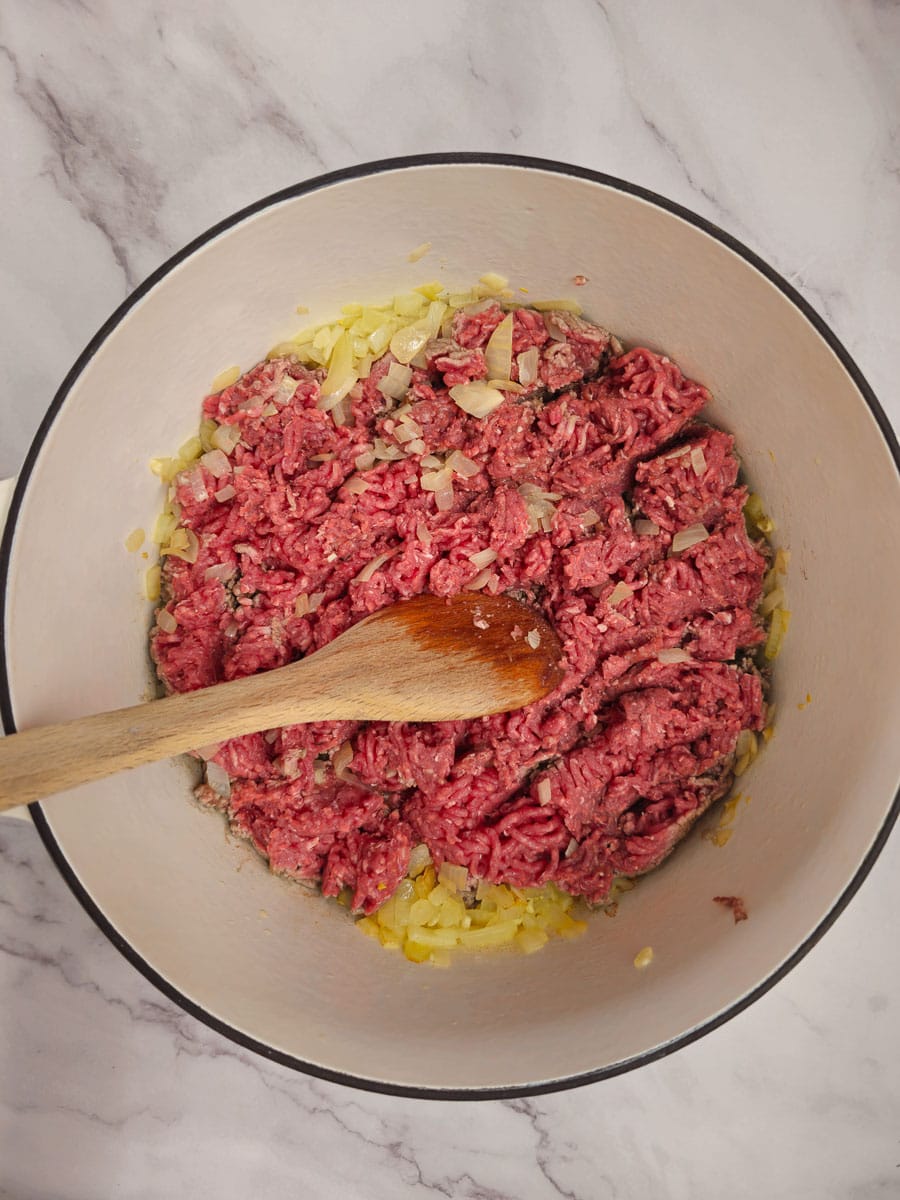
3. Add the beef mince and cook over medium-high heat for 5–6 minutes, breaking it up with a wooden spoon, until browned.
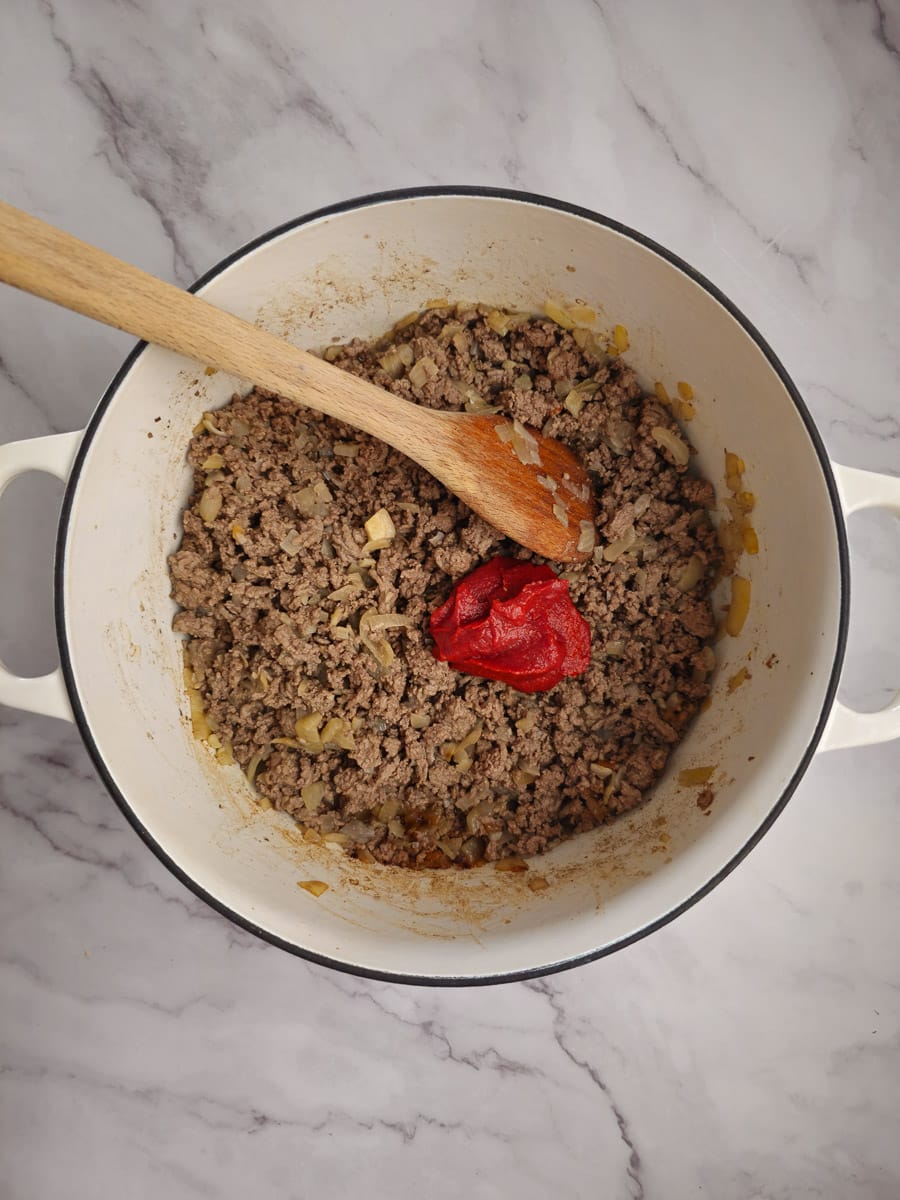
4. Stir in the tomato paste.
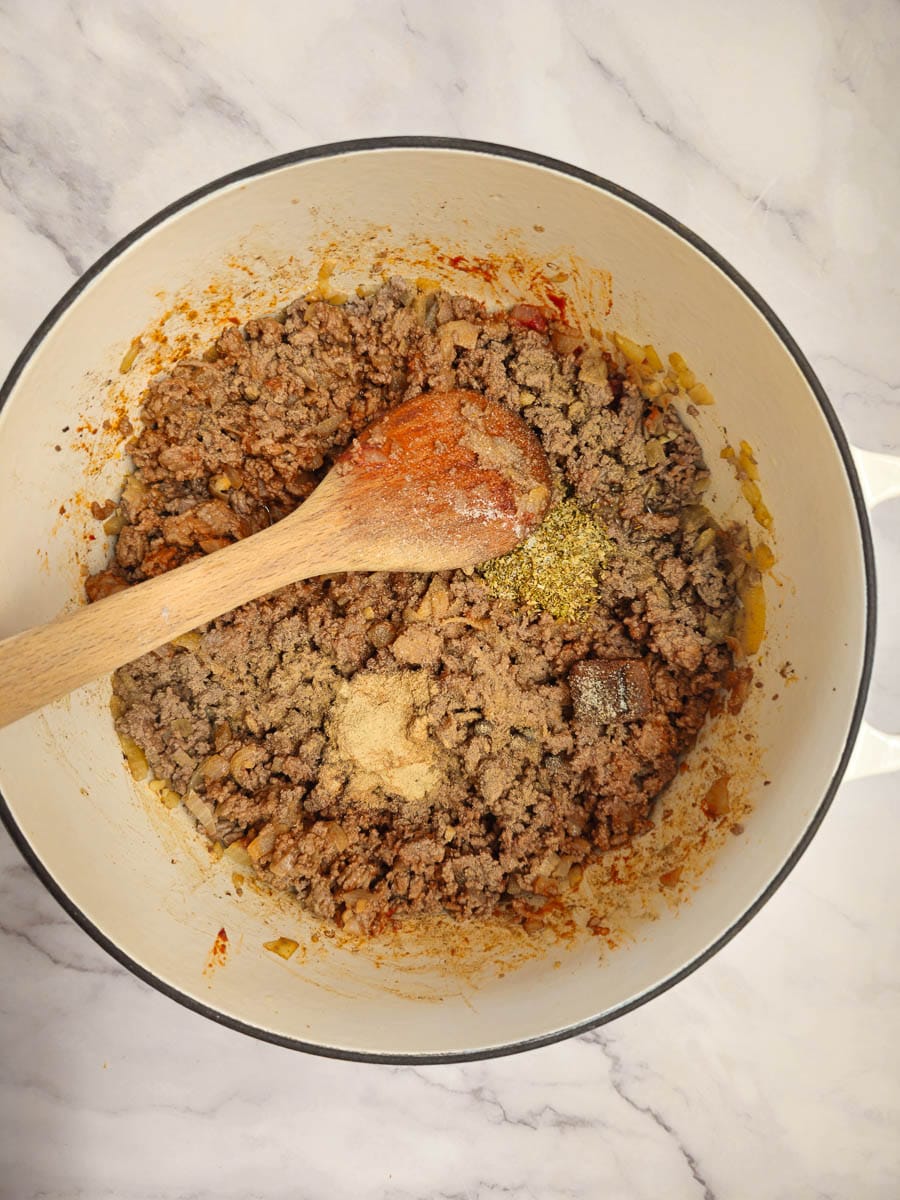
5. Stir in the cinnamon, allspice/pimento berries, oregano, crushed stock cube, salt and pepper. Cook for 1–2 minutes.
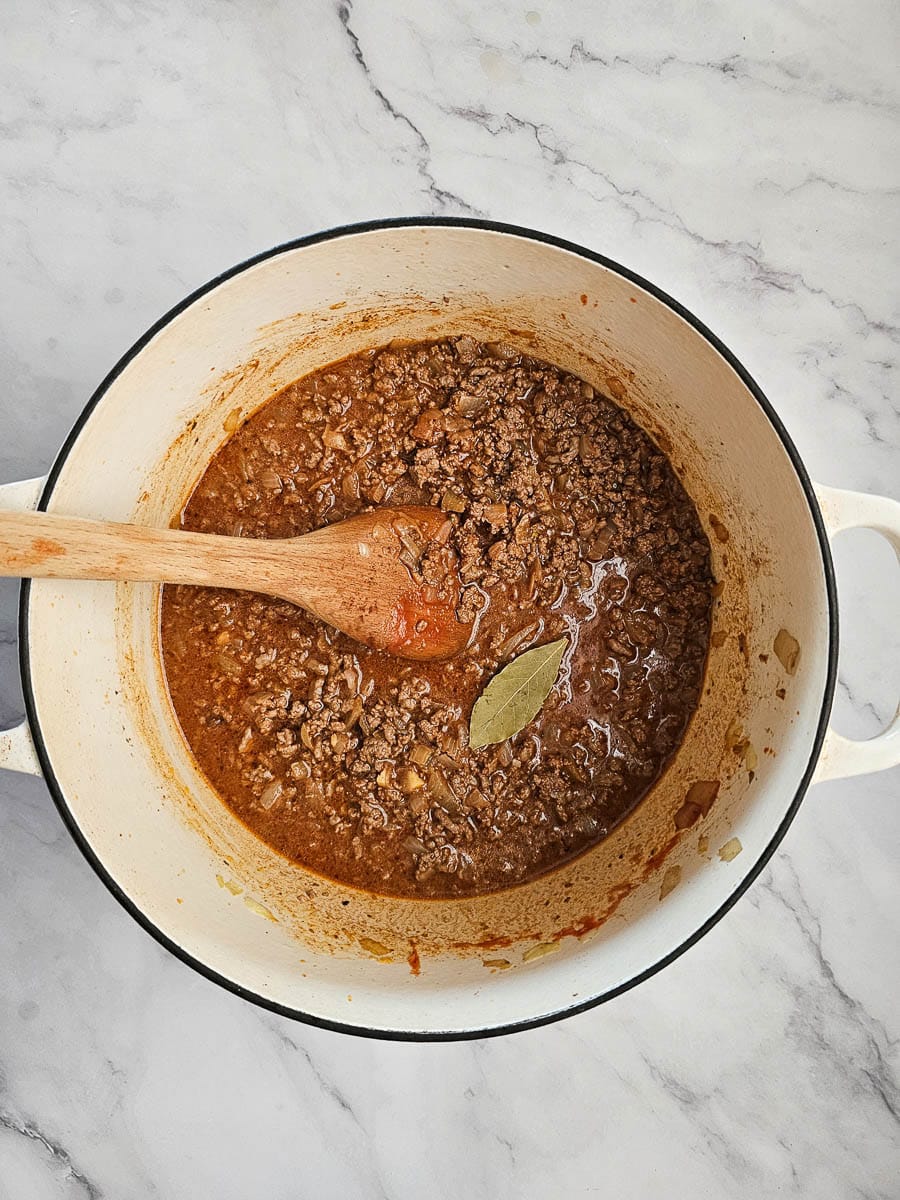
6. Add the tomato purée, sugar, bay leaf and water. Stir well.
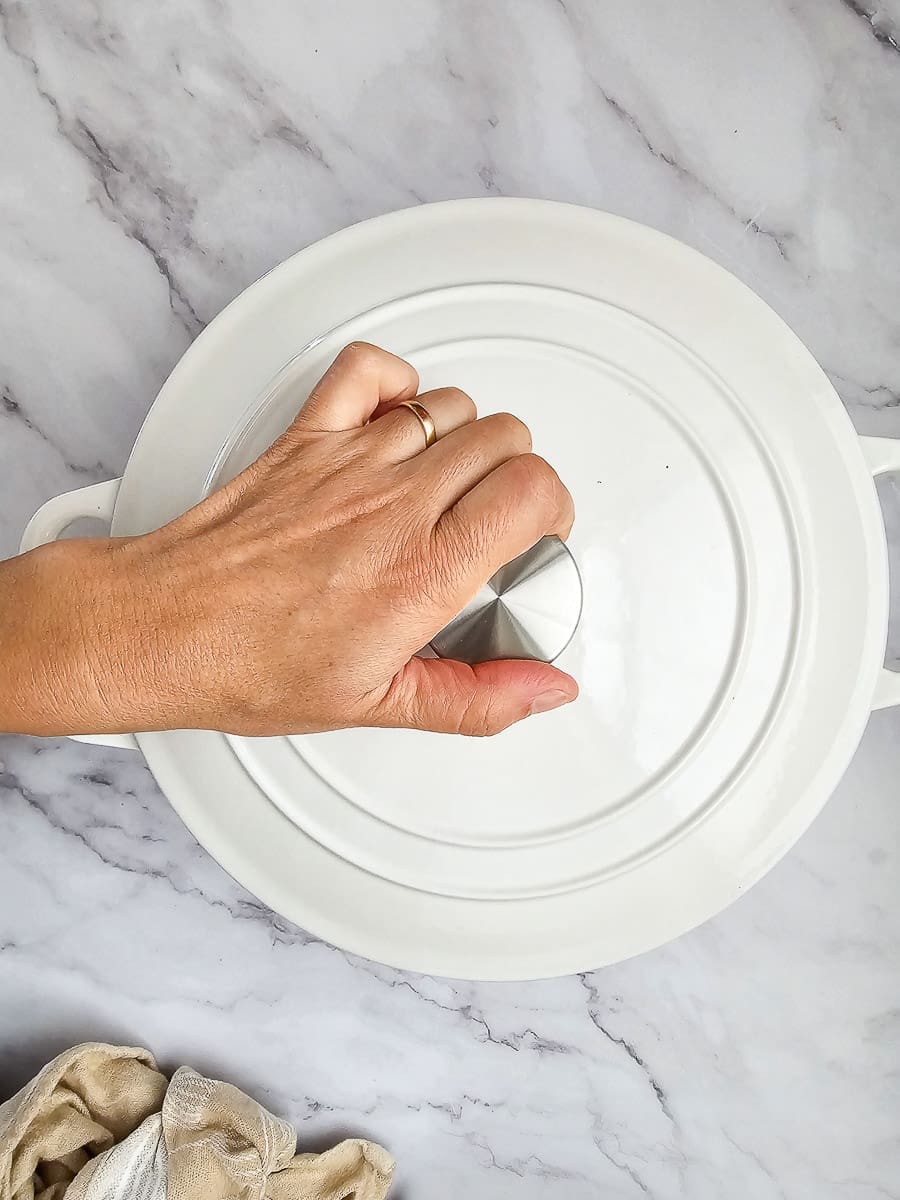
7. Reduce heat to low and simmer gently for 25–30 minutes, stirring occasionally until thickened.
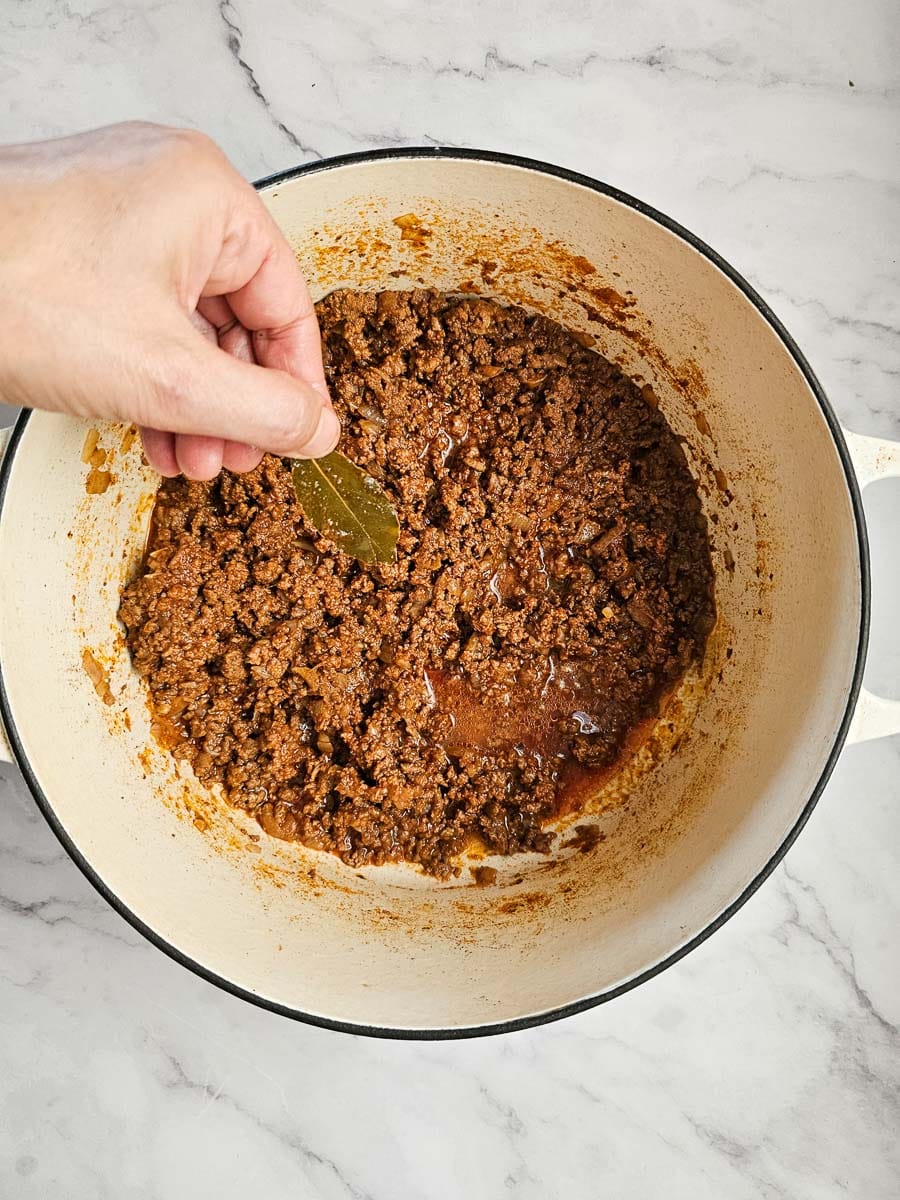
8. Remove from the heat and let cool for about 10 minutes. Remove bay leaf and allspice/pimento berries.
Make the béchamel sauce
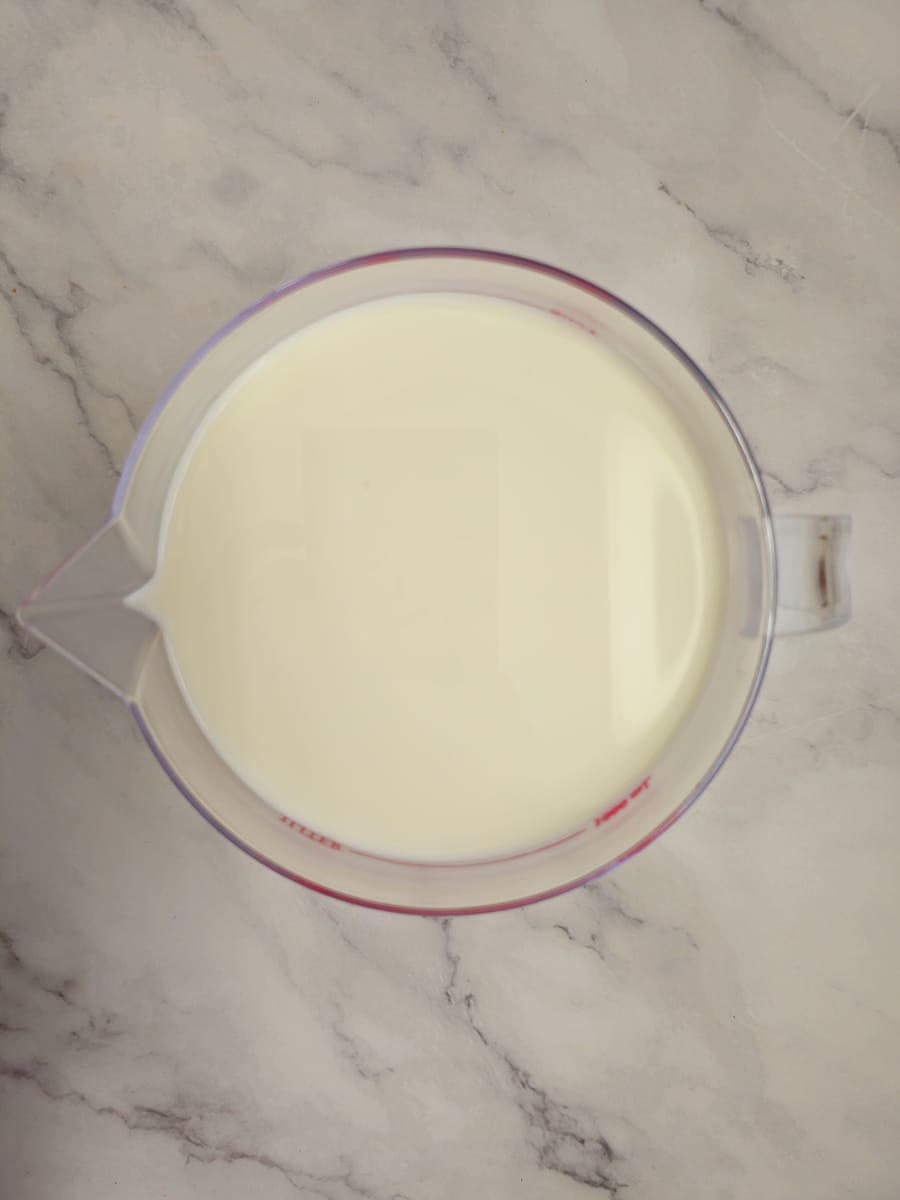
1. While the meat sauce simmers, warm the milk in the microwave for 1 minute.
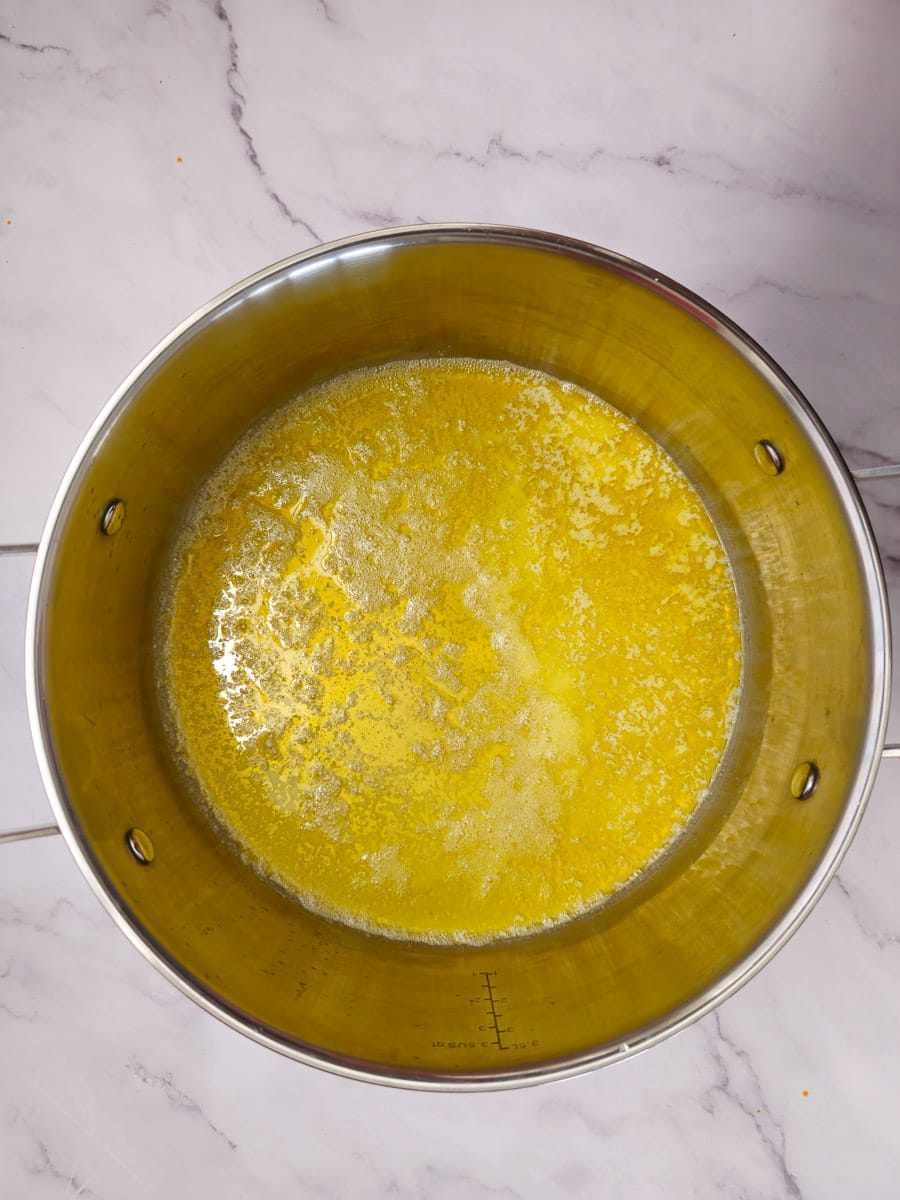
2. In a medium saucepan, melt the butter over medium heat.
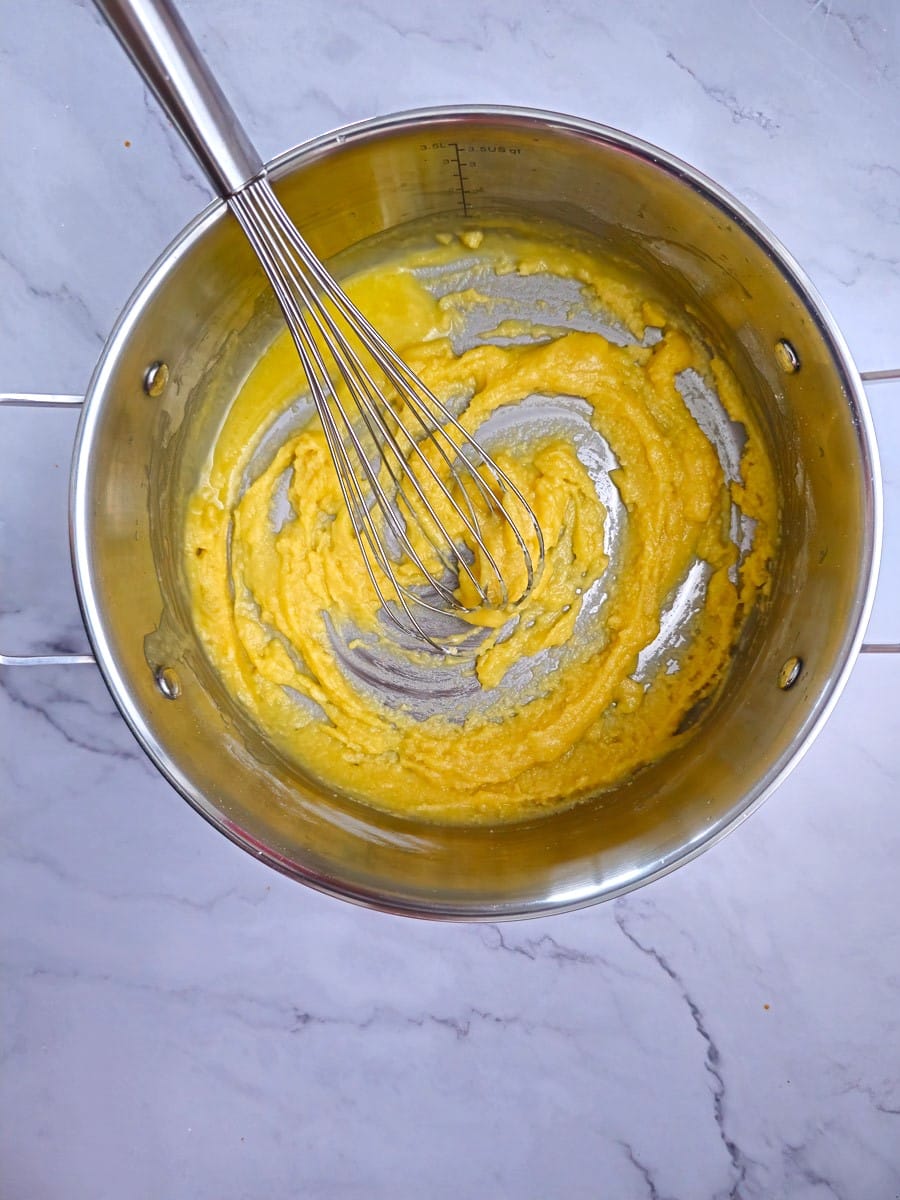
3. Add the flour, whisking continuously to make a paste. Stir for 1-2 minutes.
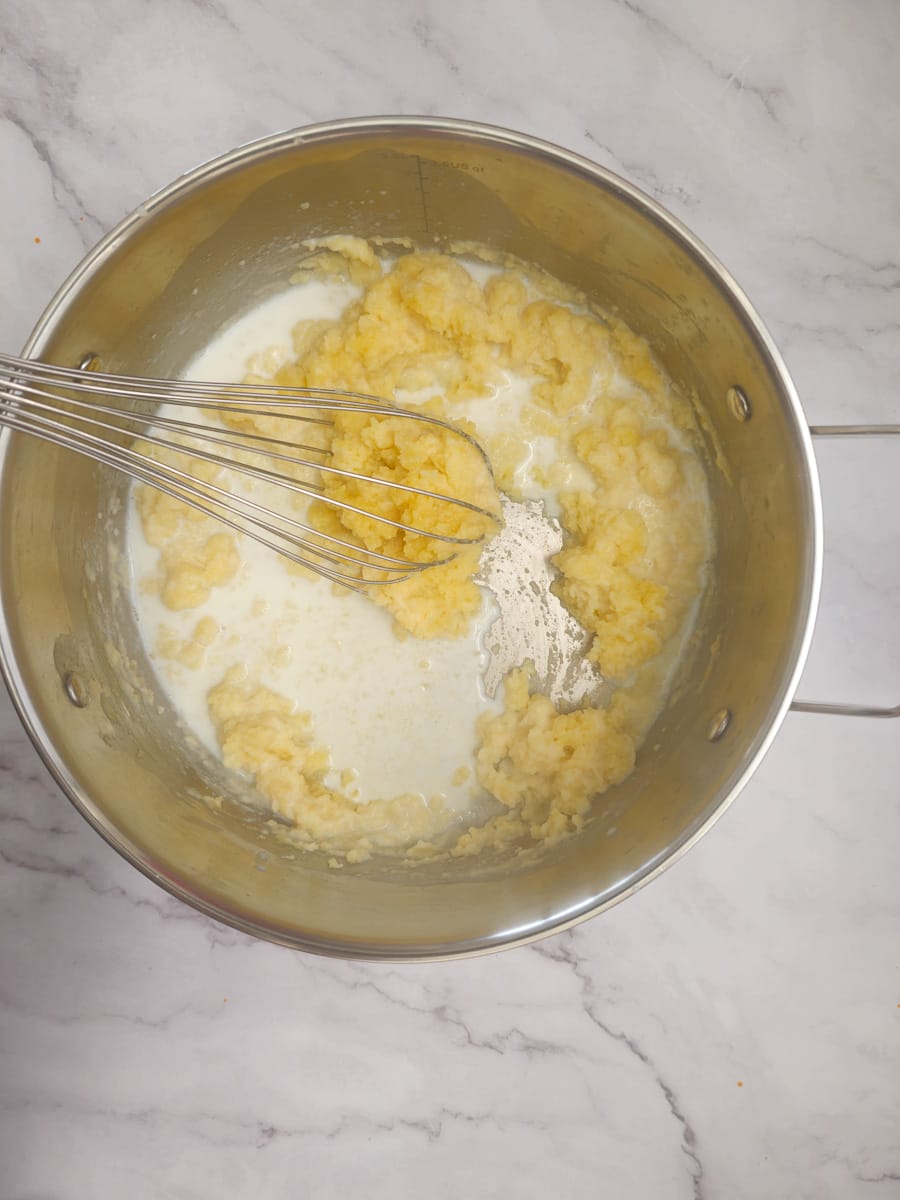
4. Gradually pour in the warmed milk, whisking constantly to avoid lumps.
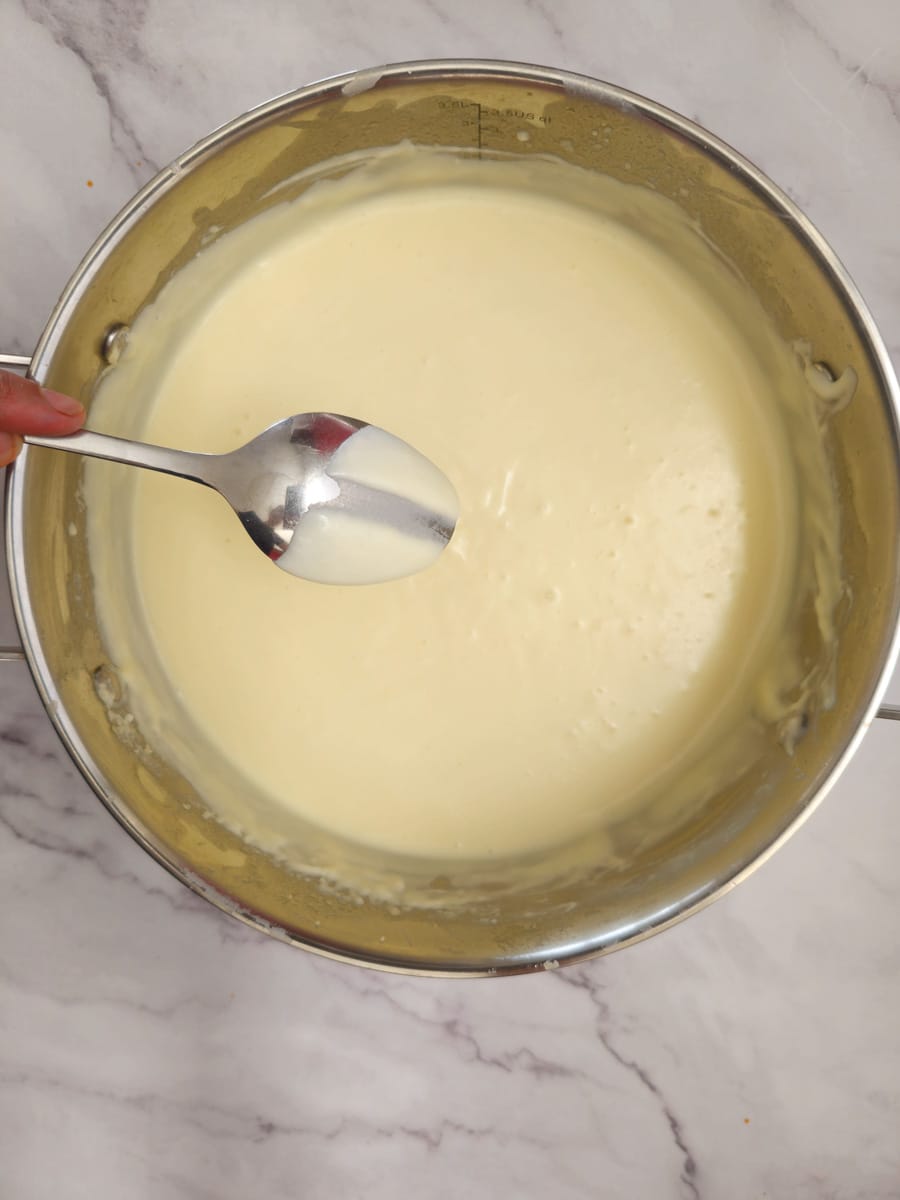
5. Continue stirring until the sauce thickens and coats the back of a spoon.
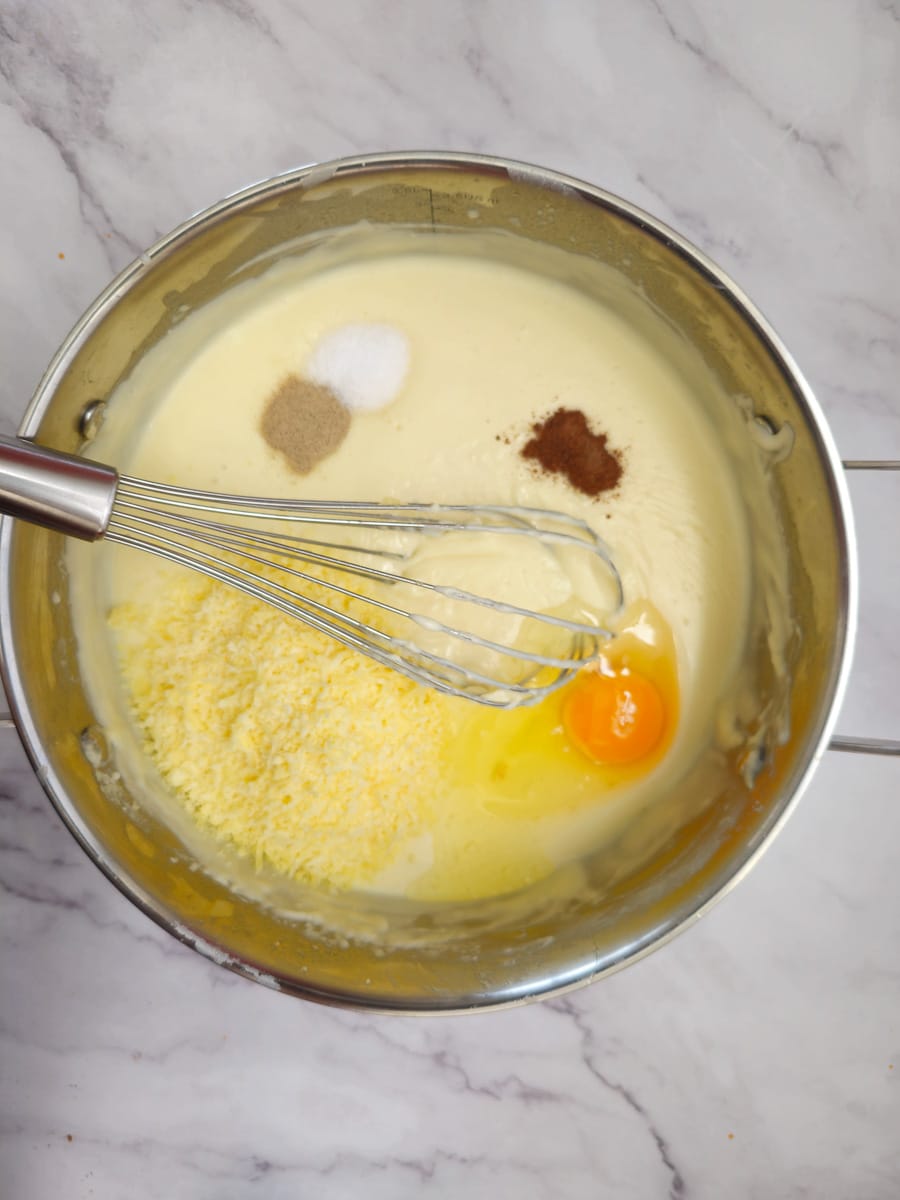
6. When ready, remove from the heat and stir through salt, pepper, nutmeg and cheese. Cool slightly and then whisk through 1 whole egg.
Assemble and bake
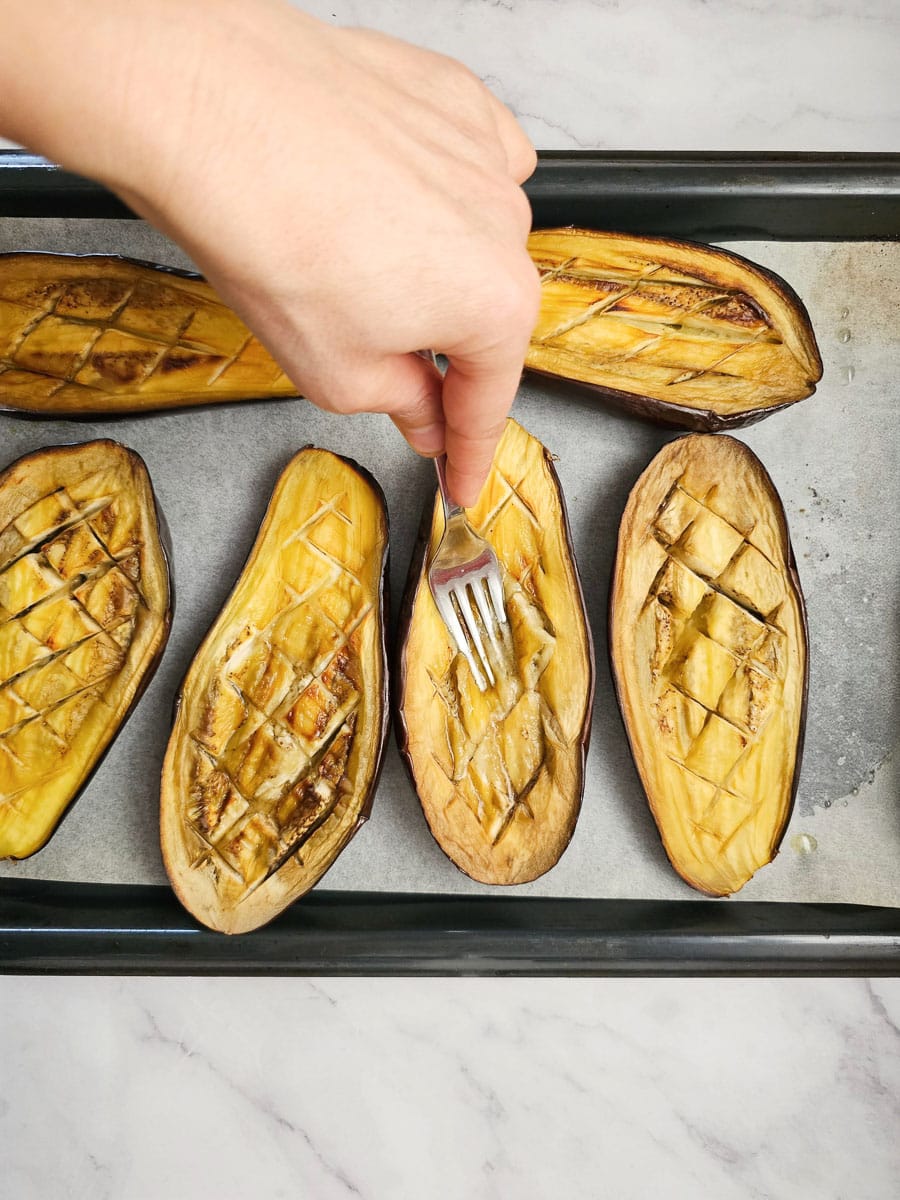
1. Using a fork, gently press down the roasted eggplant flesh to create a cavity for filling.
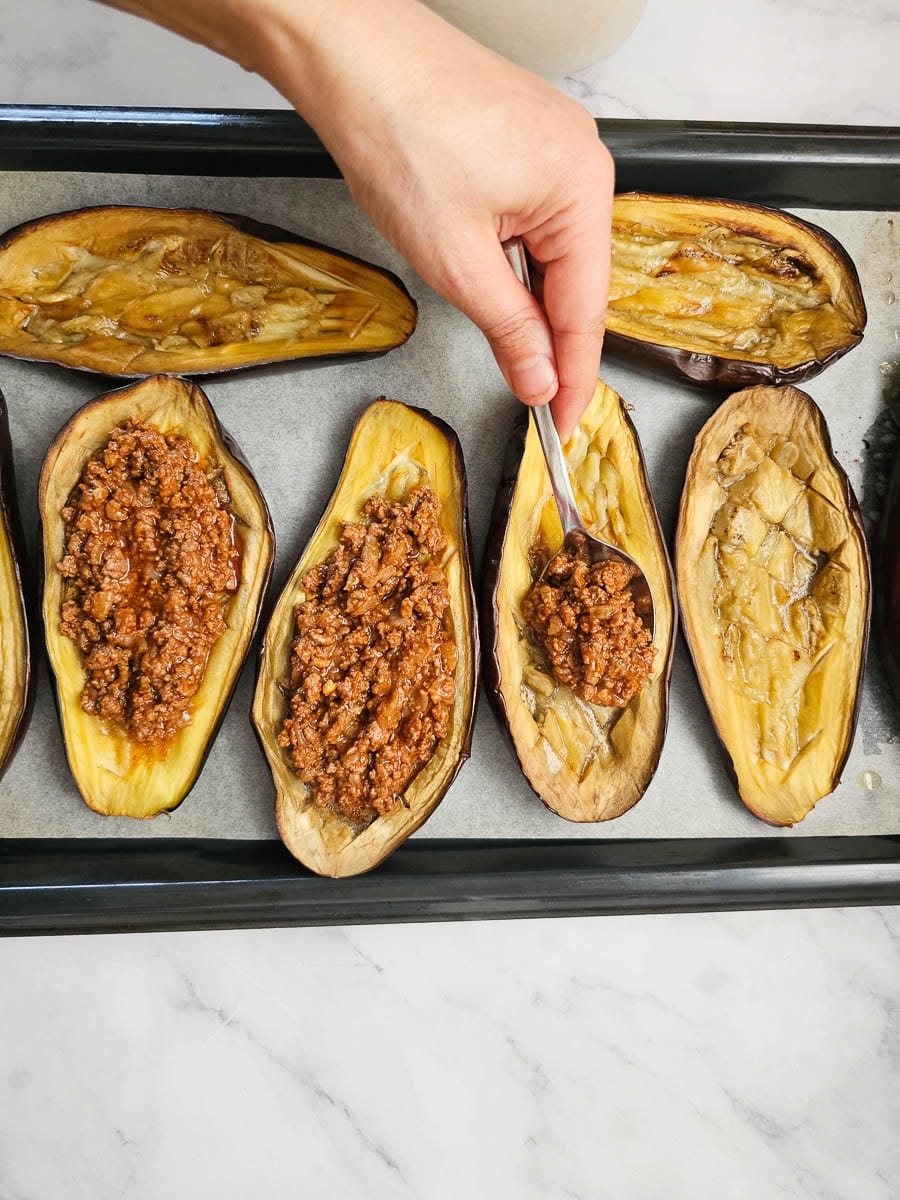
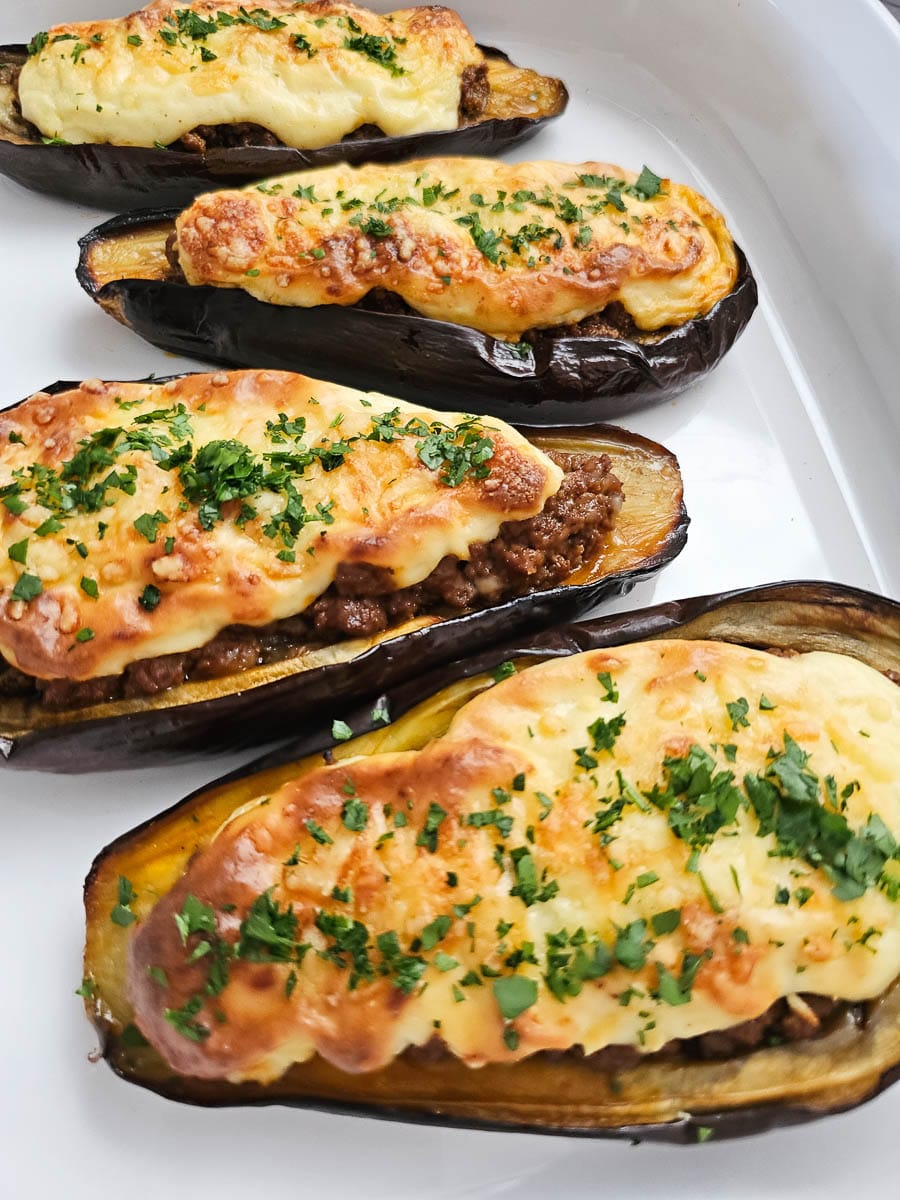
2. Spoon the meat sauce evenly into each eggplant half.
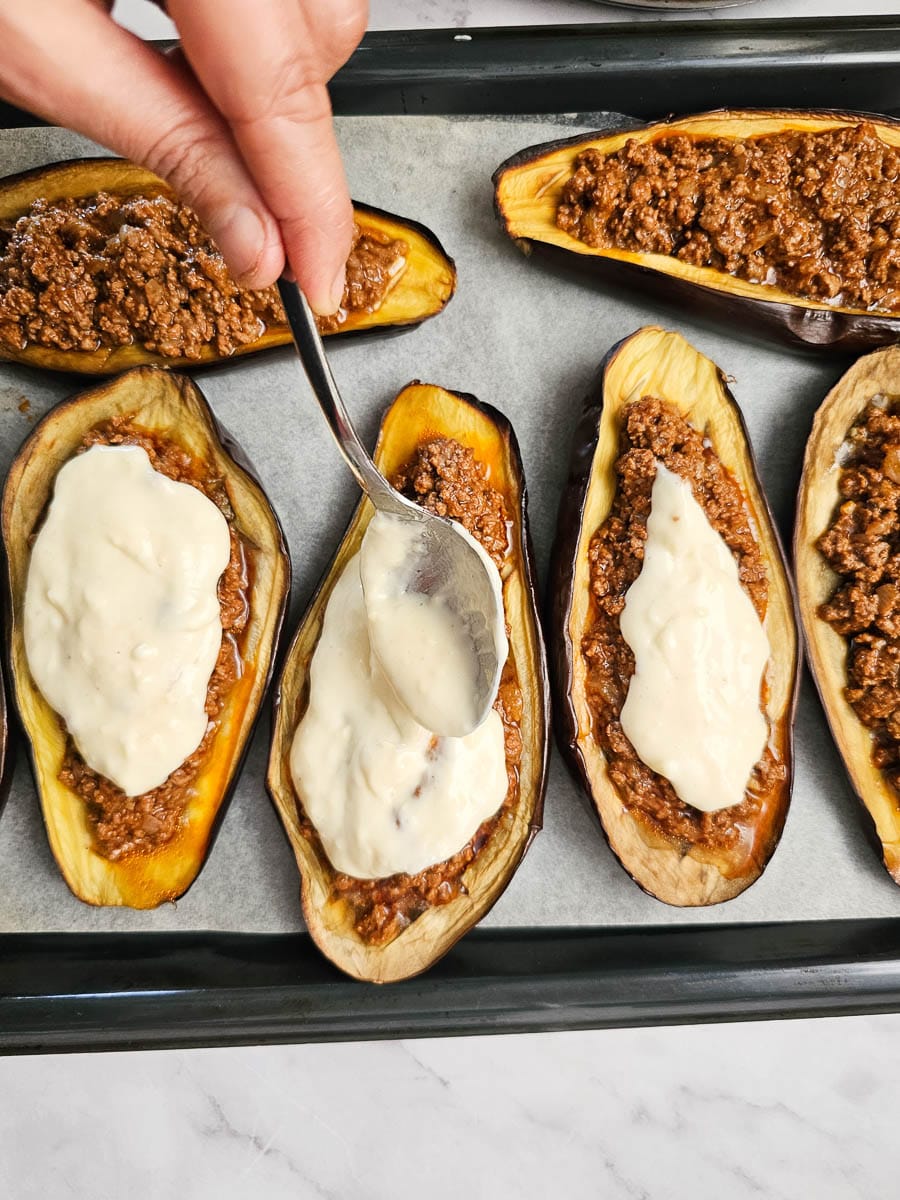
3. Spoon the béchamel sauce over the meat sauce, spreading evenly.
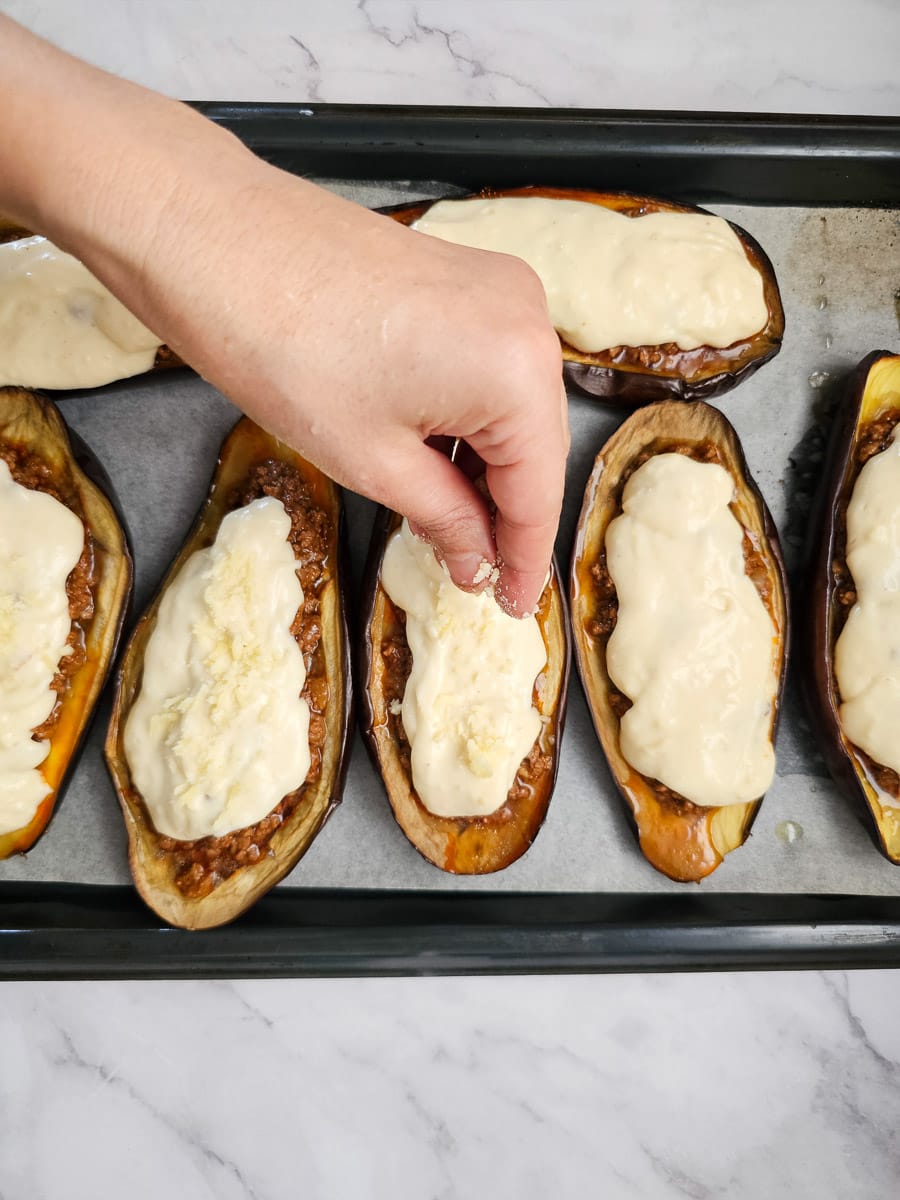
4. Sprinkle cheese on top of each eggplant half.
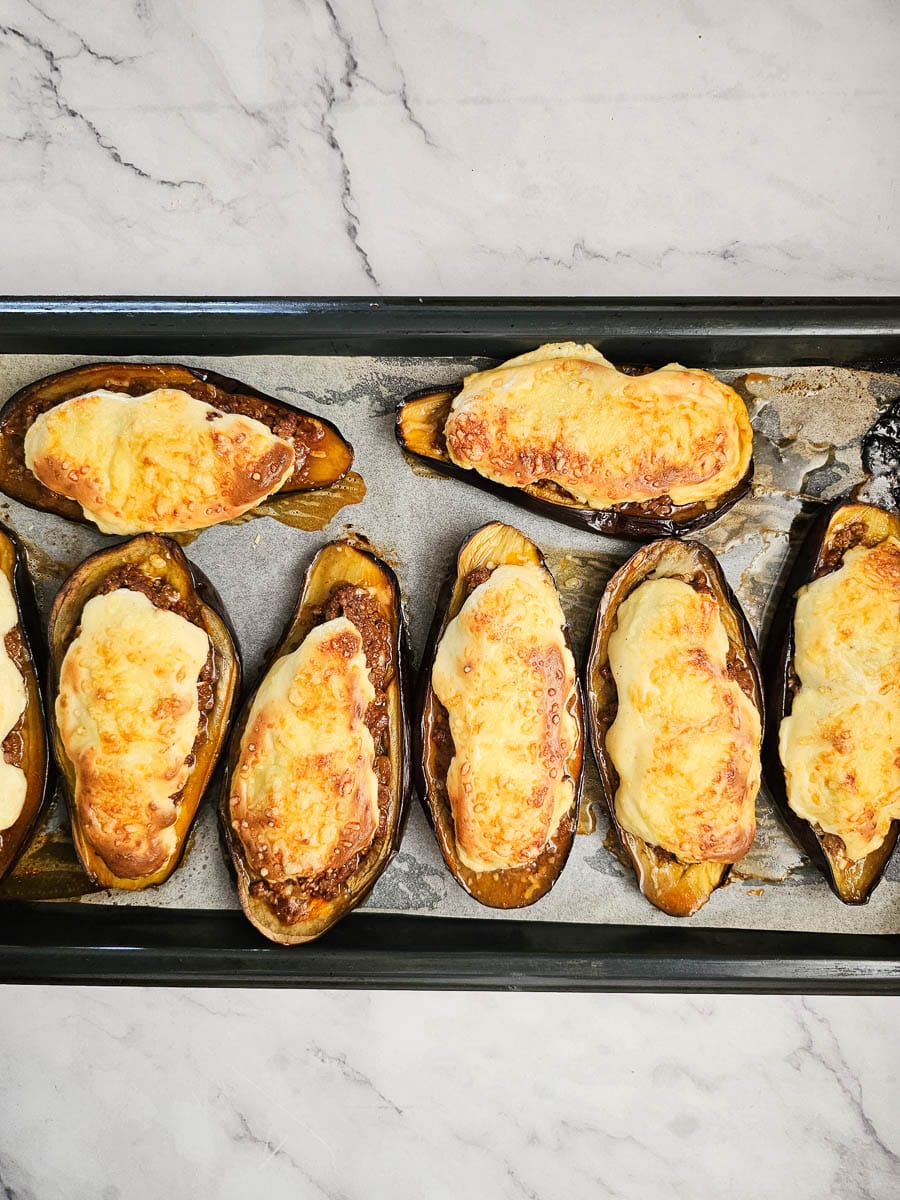
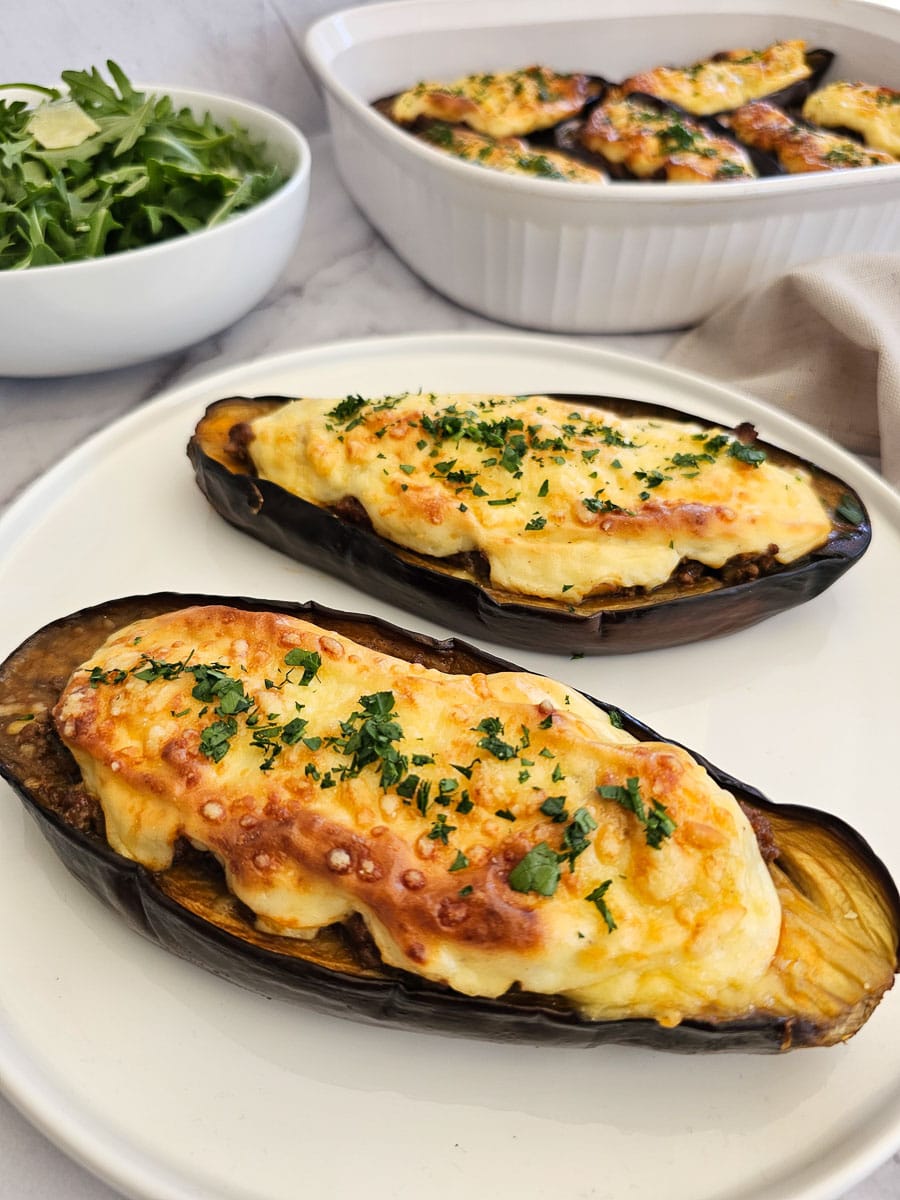
5. Bake for 25–30 minutes, or until the béchamel is golden.
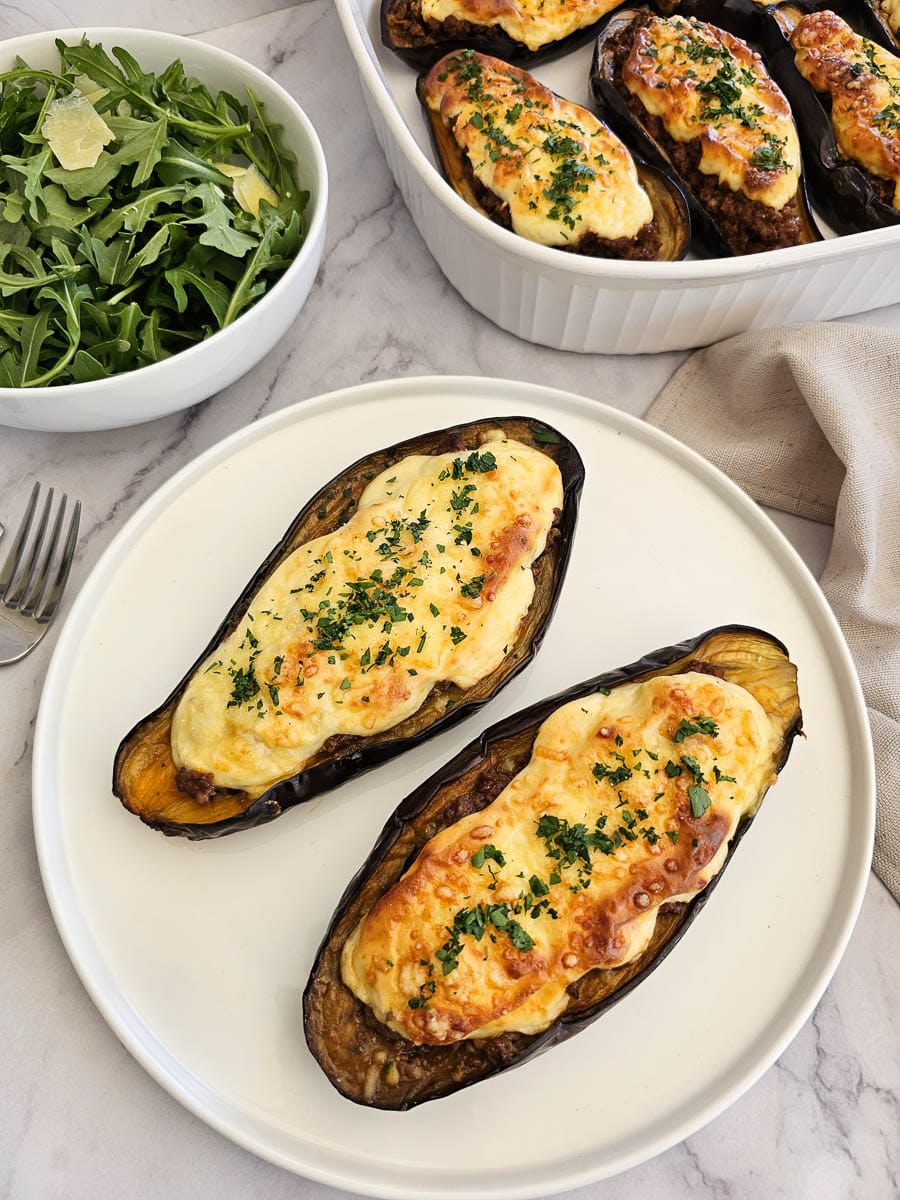
6. Let rest for 10 minutes, then sprinkle with chopped parsley and serve.
Health benefits of Papoutsakia (Greek Stuffed Eggplant)
Eggplants, the star ingredient of this dish, are low in calories, high in fibre, and packed with antioxidants that support digestion, protect cells, and promote overall health. Lean beef or lamb mince adds high-quality protein, essential for muscle repair and sustained energy. The tomato sauce provides vitamins A and C, potassium, and lycopene, an antioxidant linked to heart and skin health. The béchamel sauce contributes calcium and protein, making this classic Greek dish both satisfying and nutritious. If you’d like to learn more about the health benefits of eggplant, check out this article: Eggplant Nutrition and Health Benefits.
Tips for making Papoutsakia (Greek Stuffed Eggplant)
Choose medium to large eggplants
For the best results, select medium eggplants that are firm and smooth with glossy skin. These will hold their shape well when halved and baked, making them perfect for stuffing. Avoid overly small or very soft eggplants, as they can become mushy during cooking. Using fresh, high-quality eggplants ensures tender flesh and a delicious final dish.
Salt and score the eggplant
Salting the eggplants helps draw out any bitterness and excess moisture, improving the texture and flavour. After slicing them in half, score the flesh in a criss-cross pattern to allow the flavours from the meat sauce to penetrate better. Let the salted eggplants sit for 20–30 minutes, then pat dry before cooking. This simple step makes the stuffed eggplants more flavourful and prevents them from becoming soggy.
Frequently asked questions about Papoutsakia (Greek Stuffed Eggplant)
Can I make Papoutsakia gluten-free or dairy-free?
Yes! If you need a gluten-free version, substitute the flour in the béchamel sauce with a gluten-free flour blend or cornstarch. For a dairy-free option, use plant-based milk such as almond, soy, or oat milk and a dairy-free butter alternative. You can also sprinkle with vegan cheese or nutritional yeast for added flavour and creaminess. For a full dairy-free béchamel recipe, check out my Vegan Moussaka recipe.
Can I make Papoutsakia vegetarian or vegan?
Yes, you can. Papoutsakia can easily be adapted to suit both vegetarian and vegan diets. For a vegetarian version, simply replace the meat with a vegetable-based filling and keep the béchamel as usual.
For a vegan version, use the lentil and black bean tomato-based sauce and the vegan béchamel from my Vegan Moussaka recipe. Both work perfectly for filling the eggplants and create a rich, satisfying plant-based dish.
Can I prepare this recipe ahead of time?
Yes! Quite often, I roast the eggplants and prepare the meat filling ahead of time, then assemble and bake when ready.
What to serve with Papoutsakia (Greek Stuffed Eggplant)
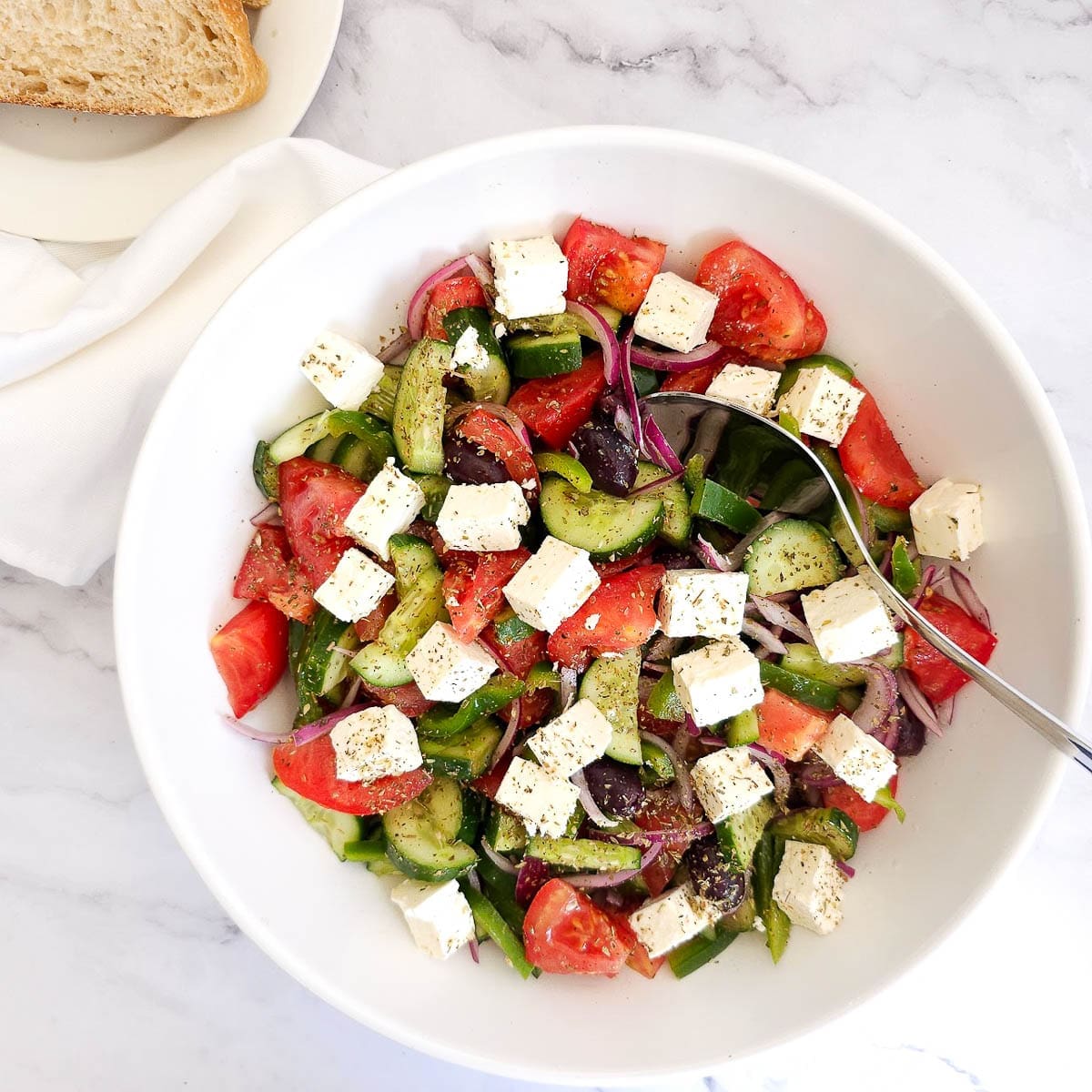
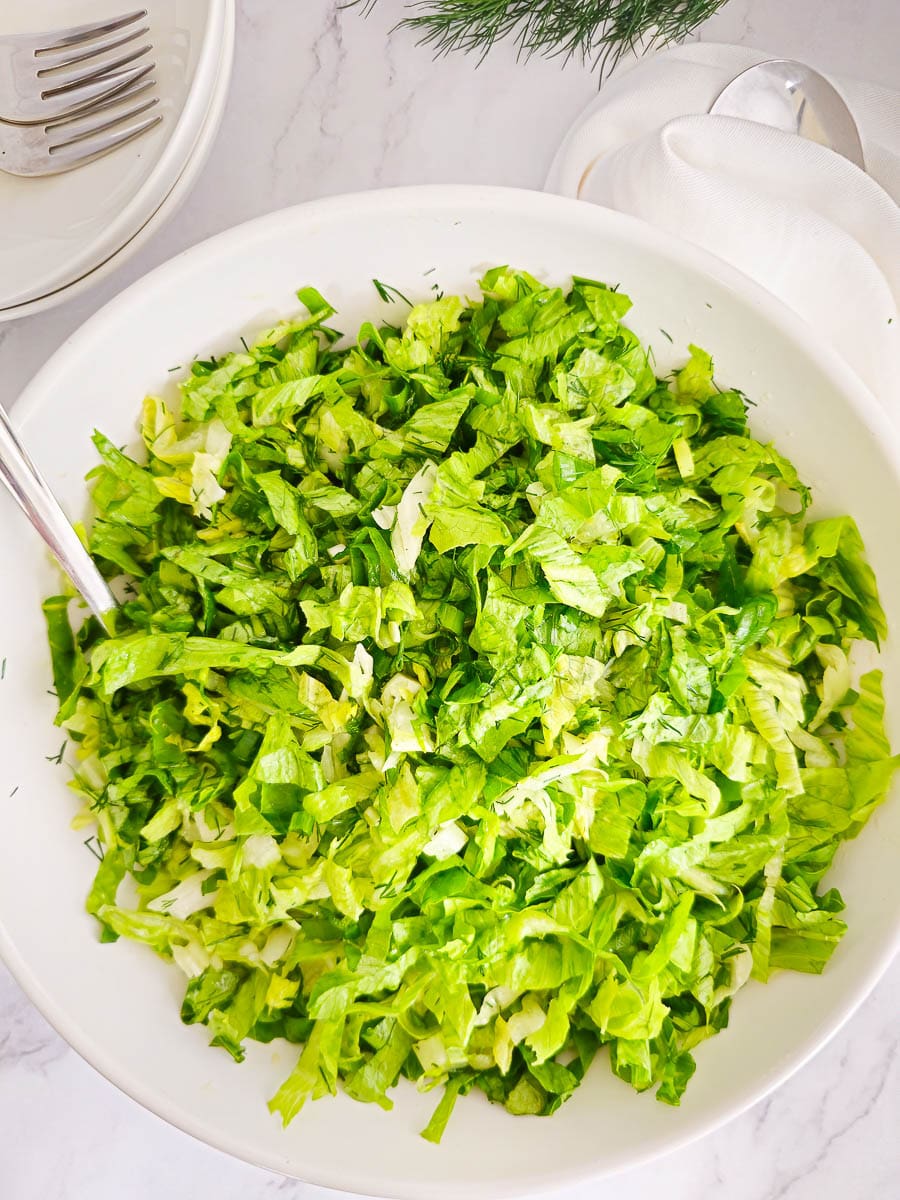
This dish pairs well with a Greek Salad or Greek Lettuce Salad (Maroulosalata). The light, fresh salad helps to balance the richness of the stuffed eggplants.
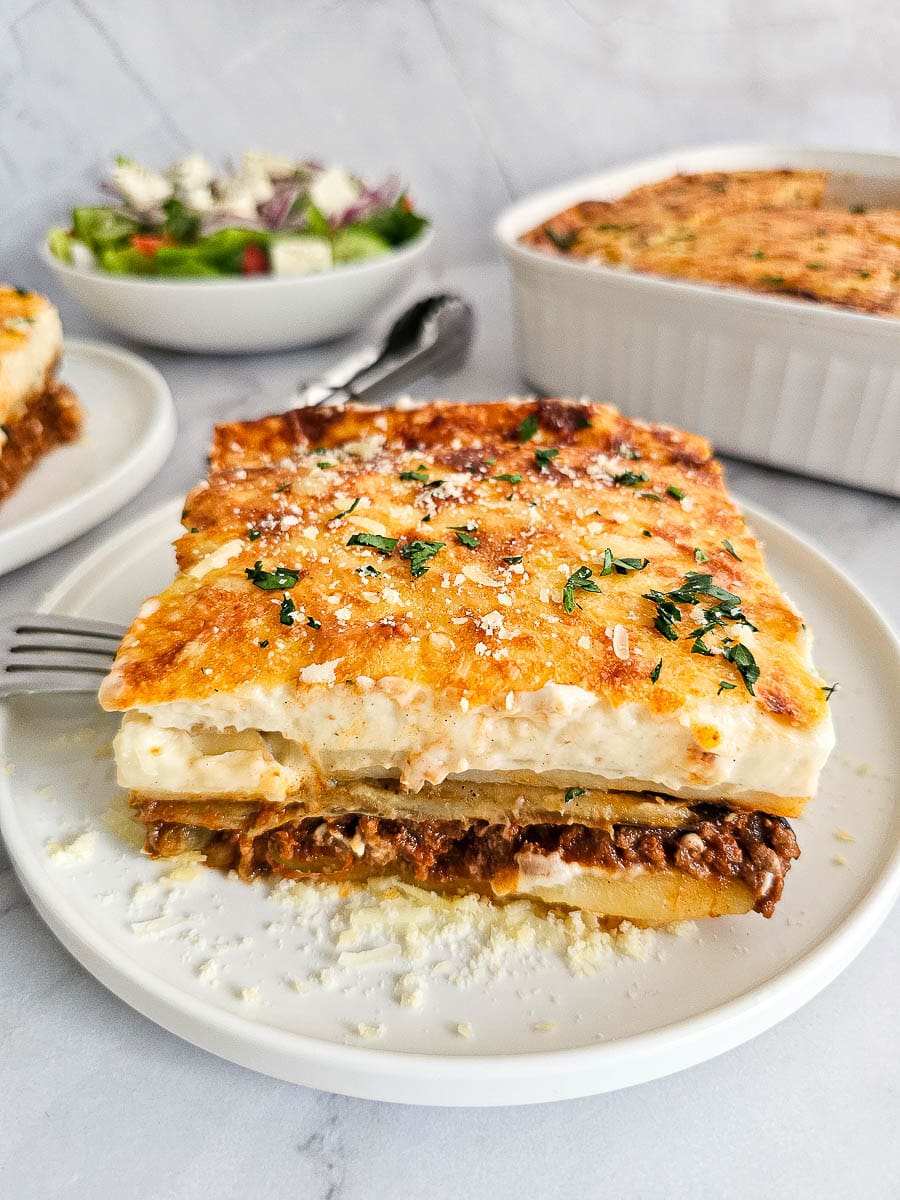
You may also like…
)
Papoutsakia (Greek Stuffed Eggplant)
4
servings20
minutes1
hour30
minutes1
hour50
minutesThese Papoutsakia are a delicious, lighter twist on Moussaka, perfect when you want all the flavour but a quicker, lower-carb version. Soft roasted eggplants are filled with a tomato-based mince mixture, topped with creamy béchamel, and baked until golden and bubbling.
Keep the screen of your device on
Ingredients
- Eggplants
3 medium eggplants (Note 1)
3 –4 tablespoons extra virgin olive oil, for brushing (60–80 ml / 2–2.7 fl oz)
1 teaspoon salt, for salting the flesh before roasting
- Meat sauce
2 tablespoons olive oil (60 ml / 2 fl oz)
1 medium onion
2 cloves garlic
500 grams lean beef mince (Note 2)
1 tablespoon tomato paste (30 ml / 1 fl oz)
1/4 teaspoon cinnamon
2 pimento / allspice berries (or a pinch of ground allspice or cloves)
1/2 teaspoon dried oregano
1/2 beef stock cube (or 1 teaspoon beef stock powder)
1/4 teaspoon salt, adjust to taste
1/8 teaspoon pepper, adjust to taste
125 ml tomato passata (½ cup / 4.2 fl oz) (Note 3)
1/2 teaspoon sugar
1 bay leaf
1 cup water (250 ml / 8.5 fl oz)
- Bechamel Sauce
40 grams salted butter (1.75 oz / approx. 2 tablespoons)
40 grams plain flour (about ¼ cup + 1 tablespoon) (Note 4)
400 ml full cream milk, warmed (13.5 fl oz) (Note 5)
1/8 teaspoon salt, or to taste
Pinch pepper
Pinch ground or freshly grated nutmeg
1/3 cup grated Romano or Parmesan cheese (35-40 grams)
1 egg
- Topping
1/3 cup grated Romano or Parmesan cheese (35-40 grams)
1 T chopped parsley
Instructions
- Prepare Eggplants
- Cut off the top stem end of each eggplant, then slice each eggplant in half lengthwise.
- Score the flesh in a criss-cross (diamond) pattern about 1–1½ cm deep (½–1 inch), being careful not to cut through to the skin. Leave a 1 cm border around the edges uncut to help the eggplant halves keep their shape during roasting.
- Sprinkle salt evenly over the flesh of each half. This draws out bitterness and moisture.
- Place the eggplants in a colander or on a tray, flesh side up, and let them sit for 30 minutes.
- After 30 minutes, rinse the salt off thoroughly under cold running water to remove excess salt and bitterness.
- Pat the eggplants dry with kitchen towels or a clean tea towel.
- Roast the Eggplants
- Preheat your oven to 200°C (390°F).
- Place the eggplant halves, flesh side up, in a large baking dish.
- Brush the flesh generously with olive oil. Brush the bottom skin side with oil as well.
- Roast, uncovered, for 35 minutes, or until the flesh is soft and golden brown.
- Remove from the oven and let cool slightly.
- Prepare the Meat Sauce
- Meanwhile, dice onion and mince garlic.
- Heat olive oil in a large pan over medium heat.
- Add the onion and sauté for 2–3 minutes, until softened.
- Add the garlic and sauté for another 1–2 minutes.
- Add the beef mince and cook over medium-high heat for 5–6 minutes, breaking it up with a wooden spoon, until browned.
- Stir in the tomato paste, cinnamon, allspice/pimento berries, oregano, crushed stock cube, salt, and pepper. Cook for 1–2 minutes.
- Add the tomato purée, sugar, bay leaf and water. Stir well.
- Reduce heat to low and simmer gently for 25–30 minutes, stirring occasionally until thickened. Remove from the heat and let cool for about 10 minutes. Remove bay leaf and allspice/pimento berries. (Note 6)
- Make the Béchamel Sauce
- While the meat sauce simmers, warm the milk in the microwave for 1 minute.
- In a medium saucepan, melt the butter over medium heat.
- Add the flour, whisking continuously to make a paste. Stir for 1-2 minutes.
- Gradually add warm milk, whisking continuously after each addition to prevent your sauce getting lumpy and sticking to the bottom of the saucepan.
- Once all the milk has been added, continue whisking over medium heat until the mixture is thick and coats the back of a spoon.
- When ready, remove from the heat and stir through salt, pepper, nutmeg and cheese. Cool slightly and then whisk through 1 whole egg.
- Let the béchamel cool for 10 minutes so that it is easier to spoon over the meat filling and so that it sits better on top. (Note 6)
- Assemble and Bake
- Lower oven temperature to 180°C (350°F).
- Using a fork, gently press down the roasted eggplant flesh to create a cavity for filling.
- Spoon the meat sauce evenly into each eggplant half.
- Spoon the béchamel sauce over the meat sauce, spreading evenly.
- Sprinkle cheese on top of each eggplant half.
- Bake for 25–30 minutes, or until the béchamel is golden.
- Let rest for 10 minutes, then sprinkle with chopped parsley and serve.
- Serve with a Greek Salad, Greek Lettuce Salad (Maroulosalata), crusty bread, or Greek Lemon Potatoes. (Note 8)
Notes
- Notes: 1 Tablespoon = 20 ml / 0.7 oz 1 Cup= 250 ml / 8.45 fl oz
- 1. Choose medium eggplants that are firm and smooth with glossy skin as they hold their shape well.
- 2. You can use beef or lamb mince when making this dish, whatever you prefer. I use lean beef mince because it contains less fat, resulting in a dish that is less oily and greasy.
- 3. Tomato puree can be substituted with canned crushed tomatoes or two fresh grated tomatoes.
- 4. Substitute the flour with gluten-free flour to make this dish gluten-free. Refer to the section above titled ‘Can I make Papoutsakia gluten-free or dairy-free?’
- 5. Substitute the milk with a non-dairy milk alternative such as almond milk, soy milk, or oat milk. Refer to the section above titled ‘Can I make Papoutsakia gluten-free or dairy-free?’ or follow the vegan béchamel recipe in my Vegan Moussaka recipe.
- 6. The mixture will thicken slightly, and it will be easier to spoon meat mixture into eggplant. Also helps béchamel sit neatly on top without sliding.
- 7. You can prepare the meat sauce and béchamel ahead of time and refrigerate for 1–2 days.
- 8. This dish pairs well with a refreshing Greek Salad or Greek Lettuce Salad (Maroulosalata).
- 9. Leftovers can be stored in the refrigerator for up to 3–4 days. To reheat, warm in a moderate oven or microwave until heated through.
Did you make this recipe?
Tag @mumsgreekrecipes on Instagram and hashtag it with
Like this recipe?
Follow @mumsgreekrecipes on Pinterest